
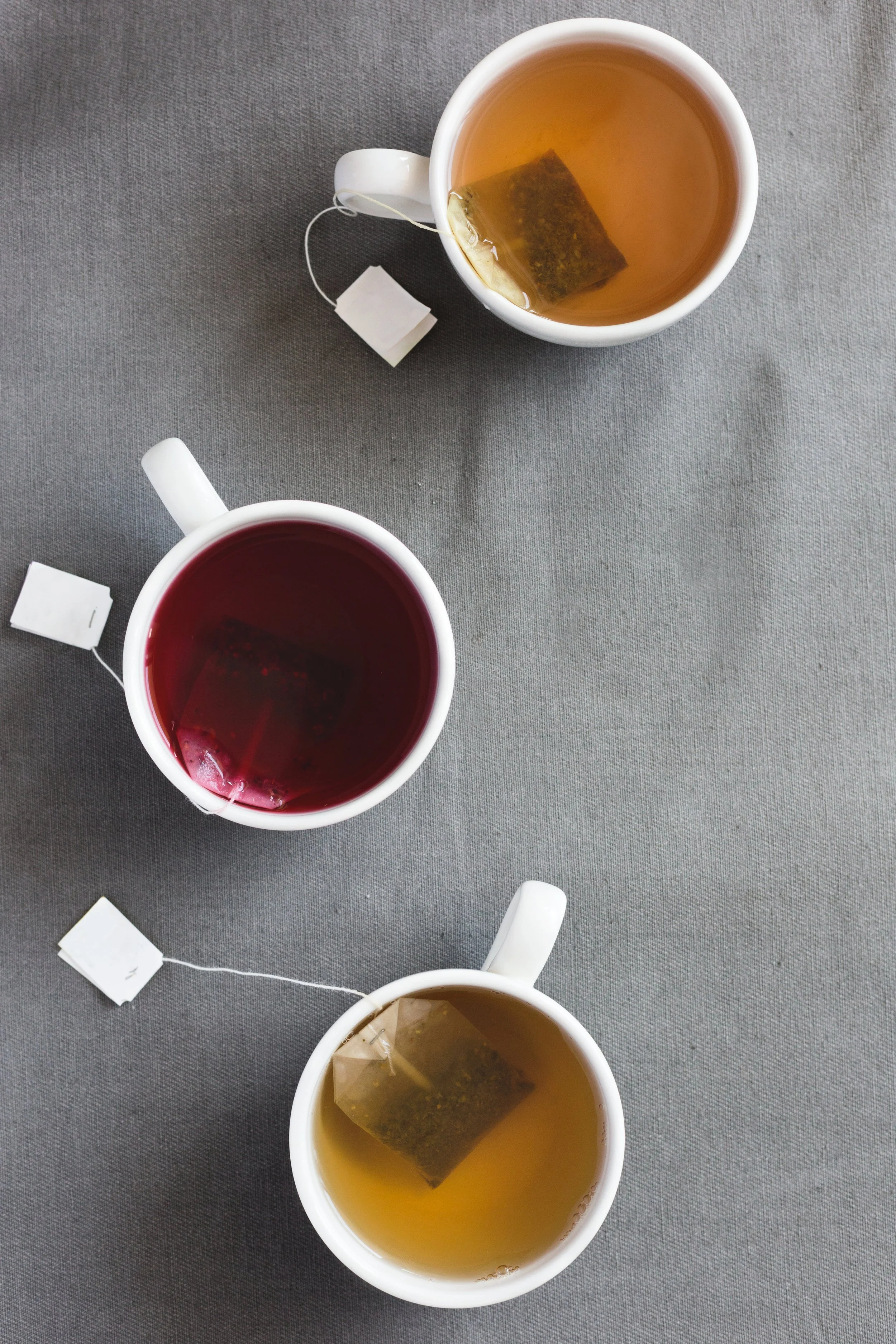
Steeping Wellness: The Top 10 Herbs and Botanicals for Your Daily Tea Ritual
In the pursuit of health and harmony, the simple act of brewing a cup of tea can be a transformative ritual. Herbal loose leaf teas, brimming with adaptogens, nervines, and a medley of beneficial herbs and botanicals, provide a natural oasis in our daily routines.
Steeping Wellness: The Top 10 Herbs and Botanicals for Your Daily Tea Ritual
In the pursuit of health and harmony, the simple act of brewing a cup of tea can be a transformative ritual. Herbal loose leaf teas, brimming with adaptogens, nervines, and a medley of beneficial herbs and botanicals, provide a natural oasis in our daily routines. These botanicals are steeped in history for their healing properties, offering a holistic approach to wellness. Let’s explore the top ten herbs and botanicals that can enhance your daily tea ritual, complete with their benefits, resources, and important safety information.
1. Ashwagandha (Adaptogen)
Description: This ancient herb is famous for reducing stress, improving energy levels, and supporting the immune system. It helps in balancing the stress hormones within the body.
Resources: "Adaptogens: Herbs for Strength, Stamina, and Stress Relief" by David Winston and Steven Maimes
Warnings: May cause drowsiness or sedation if combined with other sedative medications. Not recommended during pregnancy.
2. Holy Basil (Adaptogen and Nervine)
Description: Also known as Tulsi, this herb is revered in Ayurvedic medicine. It's known to combat stress, stimulate the mind, and promote longevity.
Resources: "Holy Basil: An Herb With Incomparable Benefits" by Dr. Mercola
Warnings: Consult a doctor before using if you are taking blood-thinning medications or have low blood sugar.
3. Rhodiola Rosea (Adaptogen)
Description: Rhodiola is celebrated for improving endurance, reducing mental fatigue, and helping the body adapt to stress.
Resources: "The Rhodiola Revolution" by Richard P. Brown and Patricia L. Gerbarg
Warnings: Can cause dry mouth, dizziness, or jitteriness; avoid if bipolar or on MAOI antidepressants.
4. Chamomile (Nervine)
Description: A gentle, calming herb perfect for soothing the nervous system and aiding sleep.
Resources: "Medical Herbalism" by David Hoffmann FNIMH AHG
Warnings: Allergy to ragweed or related plants may cause allergic reactions.
5. Lemon Balm (Nervine)
Description: With a citrusy aroma and flavor, lemon balm helps alleviate anxiety and improve mood.
Resources: "The Essential Herbal for Natural Health" by Holly Bellebuono
Warnings: May interact with thyroid medications; not recommended for use with sedatives.
6. Passionflower (Nervine)
Description: Traditionally used to treat anxiety and insomnia, this flower is a potent sleep aid.
Resources: "Herbal Therapy & Supplements" by Merrily A. Kuhn and David Winston
Warnings: Avoid if pregnant or breastfeeding. May amplify the effects of sedatives.
7. Ginseng (Adaptogen)
Description: Renowned for its energy-boosting and immune-supportive properties. It also has cognitive-enhancing effects.
Resources: "The Way of Chinese Herbs" by Michael Tierra
Warnings: Not recommended for those with hormone-sensitive conditions or taking blood thinners.
8. Ginkgo Biloba
Description: Promotes mental clarity and memory function, also said to improve circulation.
Resources: "Ginkgo: A Practical Guide" by Georges Halpern
Warnings: Discontinue use prior to surgery due to blood-thinning properties; may interact with anticoagulants.
9. Nettle Leaf
Description: Rich in nutrients, nettle leaf aids in reducing inflammation and allergy symptoms.
Resources: "Healing Wise" by Susun S. Weed
Warnings: May affect blood sugar and blood pressure; wear gloves when handling fresh nettles to avoid stinging.
10. Lavender
Description: A beautiful aromatic nervine, lavender is excellent for promoting relaxation and easing tension headaches.
Resources: "Lavender: The Grower's Guide" by Virginia McNaughton
Warnings: Excessive consumption may lead to digestive discomfort. Best used in moderation.
Herbal teas are a symphony of flavors and health benefits, each herb playing its part in the harmony of wellness. Enhancing your tea ritual with these adaptogens, nervines, and botanicals can create a serene, rejuvenating, and therapeutic experience. As with any herbal practice, do consult with a healthcare provider before starting any new supplement, especially if you have pre-existing conditions or are taking medications. There are vast resources available for those interested in delving deeper into the world of herbalism, so steep yourself in knowledge as well as a good cup of tea.

The Enlightening Benefits of Organic Soy Wax Candles over Mass-Produced Alternatives
In the tranquility of our personal sanctuaries, the flicker of a candle can transform moments into memories and rooms into realms of relaxation. As we strive for healthier, more sustainable living choices, the candles we choose to ignite in our spaces hold more significance than just their flame.
The Enlightening Benefits of Organic Soy Wax Candles over Mass-Produced Alternatives
In the tranquility of our personal sanctuaries, the flicker of a candle can transform moments into memories and rooms into realms of relaxation. As we strive for healthier, more sustainable living choices, the candles we choose to ignite in our spaces hold more significance than just their flame. Organic soy wax candles, free from colorants and crafted with natural oils and a commitment to cruelty-free practices, present a beacon of benefits not just for us, but for the environment too. Let's delve into the illuminating reasons why organic soy wax candles outshine their mass-produced counterparts.
The Pure Essence of Nature
Organic Soy Wax Candles:
Derived from soybeans, organic soy wax is a renewable resource that supports not only the environment but also the agricultural sector. These candles are celebrated for their clean burn, emitting little to no soot compared to paraffin wax, a byproduct of petroleum refining found in many mass-produced candles. Additionally, by forgoing colorants and utilizing only natural oils for fragrance, organic soy candles provide a pure, chemical-free aroma that can enhance the ambiance without compromising indoor air quality or your health.
Mass-Produced Candles:
Conversely, many candles available on the market are made from paraffin wax, which, when burned, may release harmful toxins like benzene and toluene into the air. These are the same toxins found in diesel fuel fumes, associated with cancer and other health problems. Mass-produced candles often rely on synthetic fragrances and dyes, which can exacerbate allergies, asthma, and other respiratory issues.
A Scentimental Journey
Organic Soy Wax Candles:
The use of natural oils in organic soy wax candles offers a scent-sational experience that is as close to nature as possible. These essential oils are derived from plants through processes like distillation or cold pressing, capturing the essence of the plant and its therapeutic benefits. From lavender to help relax and reduce anxiety to peppermint for invigorating the senses, the natural fragrances in organic candles can support physical and emotional health.
Mass-Produced Candles:
The artificial fragrances and colorants used in many mass-produced candles can be misleading, masking the natural beauty of the scents they attempt to imitate. Synthetic fragrances, combined with chemical additives, can detract from the therapeutic experience candles are sought to provide, potentially leading to headaches or more severe health implications over long-term exposure.
Longevity and Economy
Organic Soy Wax Candles:
Organic soy wax has a lower melting point than paraffin wax, which means soy candles burn cooler and, consequently, longer. This slow-burning attribute makes soy candles more economical over time, offering prolonged enjoyment of their natural essence and ambiance. Furthermore, soy wax's biodegradable nature aligns with eco-friendly practices, ensuring that your candle consumption leaves a minimal environmental footprint.
Mass-Produced Candles:
The quick-burning nature of paraffin wax may offer instant gratification but often at the cost of frequent replacements. Additionally, the non-renewable resource of petroleum further contributes to environmental degradation, entailing a larger ecological impact for momentary delights.
Cruelty-Free: A Commitment to Compassion
Organic Soy Wax Candles:
Cruelty-free practices are a cornerstone in the production of organic soy wax candles, ensuring that no animals are harmed for the sake of our comfort. This ethical approach not only appeals to our moral compass but also contributes to a market that values animal life and welfare.
Mass-Produced Candles:
Unfortunately, the same cannot always be said for mass-produced candles, where transparency regarding ingredients and their sourcing can often be murky, putting into question their animal testing policies and cruelty-free claims.
In Conclusion
Choosing organic soy wax candles over mass-produced alternatives is not merely a choice of ambiance but a conscious decision to improve health, support sustainability, and endorse ethical practices. As we light these beacons in our homes, let us illuminate not just our rooms but also the paths towards a healthier, more sustainable future. It's a small shift that can spark significant change, proving that what's beneficial for us can also be beneficial for the planet.

Navigating Overwhelm and Anxiety During the Holiday Season: A Natural and Holistic Approach
The holiday season, with its festivities and cheer, can also bring a significant amount of stress, overwhelm, and anxiety for many. In the midst of the bustling activities, it's vital to find moments of peace and methods to manage stress holistically.
Navigating Overwhelm and Anxiety During the Holiday Season: A Natural and Holistic Approach
The holiday season, with its festivities and cheer, can also bring a significant amount of stress, overwhelm, and anxiety for many. In the midst of the bustling activities, it's vital to find moments of peace and methods to manage stress holistically. This blog delves into various natural remedies and practices, including herbalism, yoga, acupuncture, massage, meditation, breathwork, and aromatherapy, offering you a serene sanctuary within the holiday chaos.
Embrace Herbalism and Natural Remedies
Herbal teas and tinctures can be powerful allies against stress and anxiety. Herbs like Chamomile, Lavender, Ashwagandha, and Lemon Balm are renowned for their calming properties. Sipping on a warm cup of herbal tea can be a soothing ritual to incorporate into your daily routine. Tinctures, which are potent herbal extracts, can also provide swift relief during acute moments of stress.
Incorporate Aromatherapy and Essential Oils
The olfactory system has a direct pathway to the brain's limbic system, which controls emotions and memory. Utilizing essential oils and aromatherapy can have an immediate calming effect. Essential oil diffusers, aromatherapy candles, or essential oil sprays with scents like Lavender, Bergamot, Frankincense, and Ylang-Ylang can create a tranquil environment. Remember, if you're applying oils topically, use a carrier oil to prevent skin irritation, and always ensure the space is well-ventilated.
Engage in Physical and Mindful Practices
Yoga: Combining physical postures, controlled breathing, and meditation, yoga can enhance your physical and emotional well-being. Even a short, daily practice can help reduce anxiety and improve stress management.
Acupuncture: This traditional Chinese medicine technique can help balance the body's energy (Qi), offering relief from anxiety and stress symptoms.
Massage: Regular massage therapy can reduce stress hormone levels, relieve tension, and promote relaxation.
Meditation and Breathwork: Integrating meditation and breathwork exercises into your routine can profoundly impact mental health, offering clarity and a sense of calm.
Build Your Routine
Creating a morning or evening routine incorporating these practices can provide structure and a sense of peace. You might start your day with a cup of herbal tea, followed by a short yoga session and meditation. In the evening, unwind with a warm bath enhanced with essential oils, followed by journaling or reading by candlelight.
Mind the Contraindications
While these practices and remedies are generally safe, there are a few considerations to keep in mind:
Pregnant individuals should consult with a healthcare provider before using essential oils or herbal supplements.
People with existing medical conditions or those taking medication should seek advice from a healthcare professional before introducing new herbs or supplements.
Essential oils can be potent. Always conduct a patch test when trying a new oil and use them judiciously, especially around pets and children.
In Closing
The holiday season doesn't have to be synonymous with stress and anxiety. By incorporating herbalism, alternative modalities, and mindful practices into your routine, you can navigate this bustling time with grace and calm. Remember, the best approach is one that resonates with you personally, so feel free to adapt these suggestions to fit your needs and preferences.
References:
"The Complete Book of Essential Oils and Aromatherapy" by Valerie Ann Worwood
"Medical Herbalism: The Science and Practice of Herbal Medicine" by David Hoffmann
"The Yoga Bible" by Christina Brown
"The Miracle of Mindfulness" by Thich Nhat Hanh
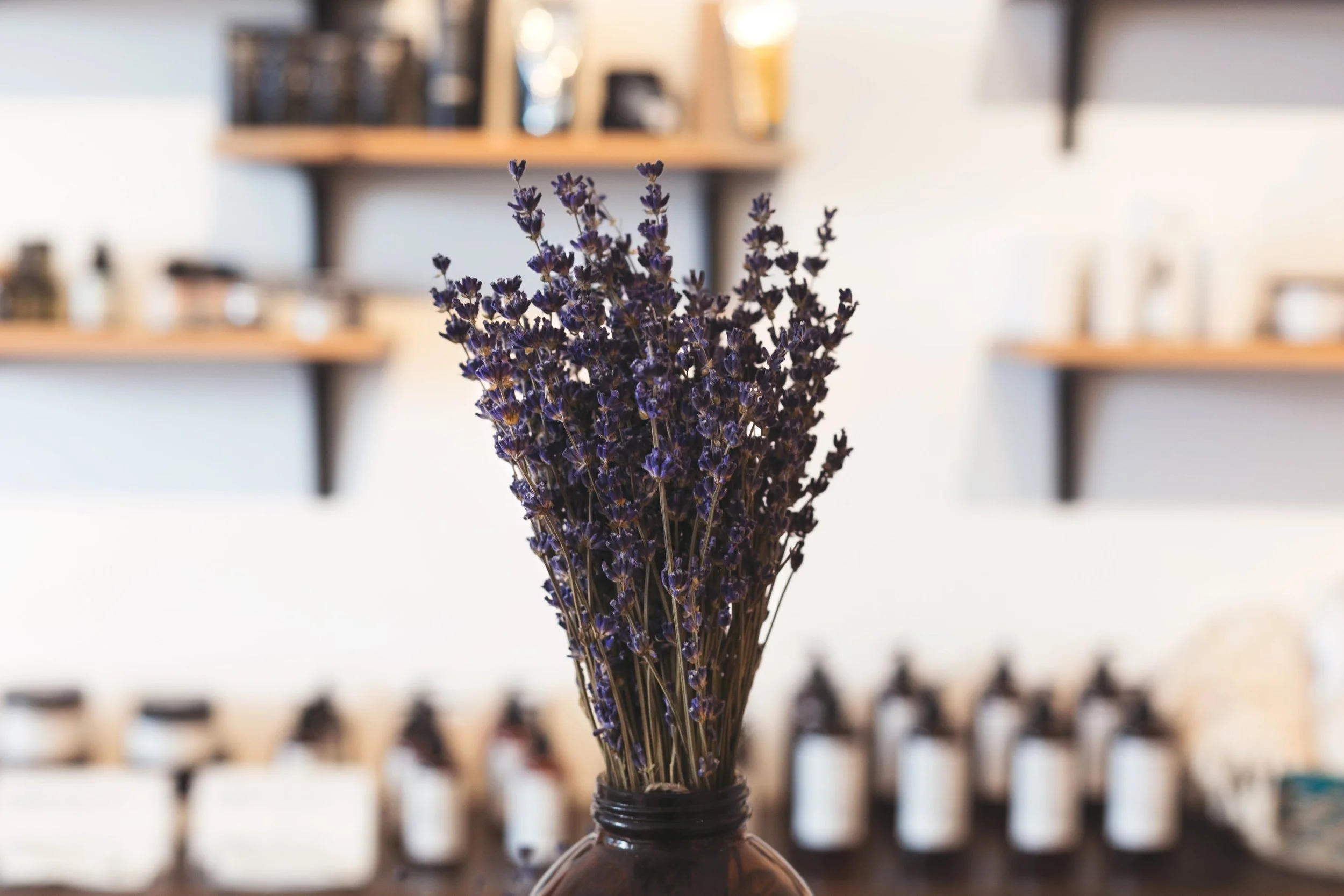
The Soothing Power of Scents: A Journey into Aromatherapy for Relaxation
In the fast pace of today’s world, finding moments of calm and relaxation is more important than ever. Amidst the plethora of wellness practices, aromatherapy stands out for its simplicity and effectiveness.
The Soothing Power of Scents: A Journey into Aromatherapy for Relaxation
In the fast pace of today’s world, finding moments of calm and relaxation is more important than ever. Amidst the plethora of wellness practices, aromatherapy stands out for its simplicity and effectiveness. By harnessing the power of scents, it offers a natural pathway to soothe and rejuvenate our nervous systems. This ancient practice, which involves the use of essential oils and other aromatic compounds, has gained scientific backing for its ability to calm, relax, and soothe our minds and bodies.
The Essence of Aromatherapy
Aromatherapy utilizes natural plant extracts to promote health and well-being. It works through the sense of smell and skin absorption using products like essential oils, diffusers, aromatic spritzers, inhalers, bathing salts, body oils, creams, or lotions for massage or topical application.
Popular Essential Oils and Their Benefits
Lavender - Known for its calming and relaxing properties, lavender oil is a go-to for stress relief, anxiety reduction, and promoting peaceful sleep.
Peppermint - Energizes and soothes headaches. Peppermint oil is also known for enhancing mental focus.
Eucalyptus - Refreshing and invigorating, eucalyptus can help clear the mind and promote feelings of relaxation. It's also used for relieving cold symptoms.
Tea Tree - Renowned for its cleansing properties, tea tree oil can also support skin health and immune system function.
Chamomile - Famous for its calming effects, chamomile oil can help reduce anxiety and promote better sleep.
Incorporating Natural Products into Self-Care Routines
Soy Wax Candles
Soy wax candles, infused with essential oils, offer a cleaner and longer-lasting alternative to traditional paraffin wax candles. Lighting a lavender or chamomile-scented soy wax candle can create a serene atmosphere conducive to relaxation and mental peace.
Natural Room and Body Sprays
Room sprays made with natural essential oils like peppermint or eucalyptus can instantly freshen up your living spaces, providing an invigorating environment that stimulates the senses. Similarly, body sprays containing soothing oils like lavender can be a refreshing addition to your self-care regimen, offering instant stress relief on the go.
Essential Oils on Your Skin
Applying oils directly to the skin can be a direct way to reap their benefits. Mixing a few drops of essential oil with a carrier oil (like sweet almond or coconut oil) before applying can provide a soothing massage experience, moisturize the skin, and harness the therapeutic properties of essential oils.
Warnings and Contraindications
Though natural, essential oils are potent and must be used with caution. Here are some general guidelines and warnings:
Dilution: Always dilute essential oils with a carrier oil before applying to the skin to avoid irritation.
Skin Sensitivity: Perform a patch test before using a new oil to ensure you don’t have an allergic reaction.
Pregnancy and Nursing: Some essential oils are not recommended during pregnancy or breastfeeding. Consult a healthcare provider before use.
Children: Use milder oils and in lower concentrations when applying them to or around children.
Ingestion: Generally, essential oils should not be ingested due to their high concentration and potential toxicity.
Conclusion
Incorporating aromatherapy and natural products into our daily routines presents a gentle yet powerful way to enhance our mental and physical well-being. As with any wellness practice, it’s important to approach aromatherapy with mindfulness and respect for the potency of essential oils. With the right knowledge and precautions, the world of scents offers endless possibilities for nurturing our bodies and soothing our spirits.
Remember, when starting any new health practice, consultation with healthcare professionals is recommended, especially for those with pre-existing conditions or concerns.

Crafting Your Wellness and Self-Care Regimen with Aromatherapy and Beyond
Incorporating aromatherapy, alongside meditation, yoga, and alternative modalities, can amplify the effects of these practices, leading to a more serene and centered you.
Crafting Your Wellness and Self-Care Regimen with Aromatherapy and Beyond
In the quest for a balanced and peaceful life, establishing a wellness and self-care regimen is paramount. One that not only nurtures the body but also feeds the soul. A balanced regimen can be your sanctuary, a refuge from the chaos of daily routines. Incorporating aromatherapy, alongside meditation, yoga, and alternative modalities, can amplify the effects of these practices, leading to a more serene and centered you.
The Essentials of Aromatherapy
Aromatherapy is a holistic healing treatment that uses natural plant extracts to promote health and well-being. Here's how to incorporate aromatherapy into your routine:
Essential Oils & Diffusers
A diffuser can disperse essential oils into the air, creating a calming environment. Oils like lavender, bergamot, and cedarwood are known for their relaxing properties. For an energizing morning, switch to citrus scents like lemon or grapefruit.
Natural Candles
Burning natural, soy or beeswax candles scented with essential oils can provide a dual benefit: the act of watching the flame is meditative, and the aroma can help create a tranquil space.
Essential Oil Sprays
A quick and convenient way to enjoy aromatherapy. Essential oil sprays can be used to refresh your living space, linens, or as a soothing facial mist.
Essential Oil Rollerballs
These are perfect for on-the-go stress relief. Apply to pulse points whenever you need a moment of calm. They’re also excellent for targeted application, such as peppermint oil for tension headaches.
Complementary Practices
Aromatherapy can be an integral part of a larger wellness routine. Here are a few practices you might consider combining with aromatherapy:
Meditation Practices
Meditation can significantly reduce stress and improve concentration. Incorporate essential oils by dabbing a little on your temples or diffusing oils during your practice to enhance the meditative experience.
Yoga
The physical practice of yoga is incredible for your body, and when combined with aromatherapy, it can also help harmonize your mind. Use grounding scents like sandalwood during yoga to deepen your practice.
Alternative Modalities
Exploring other alternative modalities such as Reiki, acupuncture, or sound therapy can also contribute to your well-being. These can often be accompanied by aromatherapy to complement the treatment.
References
To establish a scientifically-backed regimen, consider the following resources for further reading:
Alliance of International Aromatherapists (AIA) at https://www.alliance-aromatherapists.org/
The National Association for Holistic Aromatherapy (NAHA) at https://naha.org/
"The Complete Book of Essential Oils and Aromatherapy" by Valerie Ann Worwood
Warnings and Contraindications
It is imperative to note that while aromatherapy and wellness practices can offer numerous benefits, they also come with their cautions:
Consult a Professional: It’s crucial to speak with a healthcare professional or certified aromatherapist, especially if you have pre-existing conditions, are pregnant, or breastfeeding.
Quality of Products: Use high-quality, pure essential oils and natural products to avoid synthetic additives that could have adverse effects.
Allergic Reactions: Perform a patch test before topical application of oils, even when diluted.
Ingestion: Essential oils are not to be ingested unless under the guidance of a professional.
Conclusion
Creating a personalized wellness and self-care regimen can be one of the most fulfilling journeys one embarks on. By incorporating aromatherapy, meditation, yoga, and other modalities into your daily routine, you can forge a path to a more balanced and harmonious life. Always remember to listen to your body, respect its limits, and embrace the practices that resonate most with your personal needs and preferences. Your path to wellness is uniquely yours – aromatic and peaceful.

Natural Remedies to Treat and Manage Upper Respiratory Infections (URIs)
Upper respiratory infections (URIs), often referred to as the cold or flu, can cause discomfort with symptoms like congestion, sore throat, coughing, and fatigue. While these infections are typically viral and tend to resolve on their own, natural remedies can help alleviate symptoms, support your immune system, and expedite recovery. In this blog post, we’ll explore numerous natural modalities—including herbal teas, tinctures, botanicals, and other holistic approaches—that may help you heal. We’ll also discuss ways to boost immune health naturally, along with important warnings and contraindications.
Natural Remedies to Treat and Manage Upper Respiratory Infections (URIs)
Upper respiratory infections (URIs), often referred to as the cold or flu, can cause discomfort with symptoms like congestion, sore throat, coughing, and fatigue. While these infections are typically viral and tend to resolve on their own, natural remedies can help alleviate symptoms, support your immune system, and expedite recovery. In this blog post, we’ll explore numerous natural modalities—including herbal teas, tinctures, botanicals, and other holistic approaches—that may help you heal. We’ll also discuss ways to boost immune health naturally, along with important warnings and contraindications.
What Are Upper Respiratory Infections?
Upper respiratory infections affect the nose, throat, and airways, primarily involving viruses like rhinovirus, influenza, or coronavirus. Symptoms often include:
Nasal congestion or a runny nose
Coughing and sneezing
Sore throat or throat irritation
Fatigue
Low-grade fever
Swollen lymph nodes
While medical interventions are rarely needed except in severe cases, natural remedies can be very effective in managing mild to moderate symptoms.
Natural Remedies to Relieve Upper Respiratory Symptoms
1. Herbal Teas for Soothing Relief
Herbal teas provide hydration, relieve throat irritation, and deliver the powerful healing properties of herbs.
Popular Herbal Tea Ingredients:
Ginger (Zingiber officinale):
Contains anti-inflammatory and antiviral compounds.
Soothes sore throats and helps ease congestion.
Recipe: Simmer fresh ginger slices in hot water for 10 minutes. Add lemon and honey for added benefits.
Peppermint (Mentha piperita):
Offers menthol, which helps open airways and provides a cooling effect.
Particularly effective for reducing sinus congestion.
Chamomile (Matricaria chamomilla):
Anti-inflammatory and calming properties. Can help you sleep better, which is essential for recovery.
Thyme (Thymus vulgaris):
A natural antimicrobial herb with expectorant properties that helps clear mucus.
Elderflower (Sambucus nigra):
An immune-supporting herb with antiviral properties, particularly useful for respiratory infections.
Preparation Tip:
Blend these herbs into a tea mixture or use them individually. Combine boiling water with dried herbs in a teapot and steep for 5–10 minutes. Drink 2-3 cups daily.
2. Tinctures and Botanicals
Tinctures concentrate the therapeutic compounds of herbs in liquid form. They are more potent than teas and are conveniently dosed.
Beneficial Tinctures for URIs:
Elderberry (Sambucus nigra):
A powerful antiviral remedy that shortens the duration of colds and flu.
Dosage: Follow product-specific instructions or take approximately 1 tsp, 2–3 times daily.
Echinacea (Echinacea purpurea):
Boosts immunity and is most effective when taken at the onset of symptoms.
Dosage: 1–3 mL tincture, every 3–4 hours during acute symptoms.
Goldenseal (Hydrastis canadensis):
Known for its antimicrobial action and fantastic for alleviating a sore throat and clearing sinuses.
Astragalus (Astragalus membranaceus):
Strengthens the immune system and helps prevent recurrent respiratory infections.
3. Steam Inhalation with Essential Oils
Steam inhalation can clear the sinuses and relieve nasal congestion. Adding essential oils can enhance the therapeutic effect:
How To Do It:
Boil water and pour it into a bowl.
Add a few drops of essential oils such as eucalyptus, tea tree, or lavender.
Cover your head with a towel and inhale the steam for 5–10 minutes.
Benefits of Essential Oils:
Eucalyptus: Opens airways and boosts circulation.
Tea tree oil: Fights viruses and bacteria.
Lavender: Calms the nervous system and reduces inflammation.
Warning: Avoid direct skin contact with undiluted essential oils, as they can cause irritation. Avoid steam treatments if you have asthma or are sensitive to strong aromas.
4. Foods That Support Recovery
Certain foods can help fight the infection while replenishing your body with essential nutrients:
Garlic: A natural antiviral and antibacterial agent that boosts the immune system. Add raw or cooked garlic to meals.
Bone Broth: Hydrates and provides minerals like zinc, magnesium, and amino acids to support healing.
Spicy Foods: Chili peppers contain capsaicin, which can help thin mucus. Add a touch of cayenne or fresh chilies to soups.
Fermented Foods: Yogurt, kefir, sauerkraut, or kombucha help maintain gut health, which is integral for immunity.
5. Adaptogens to Reduce Stress on the Immune System
Adaptogens are herbs that support the body’s ability to cope with stress, which is very important during an illness:
Ashwagandha (Withania somnifera): Supports adrenal health and reduces fatigue.
Rhodiola (Rhodiola rosea): Enhances energy and mental clarity while promoting immune function.
Tulsi (Ocimum sanctum or Holy Basil): A revered herb in Ayurveda with stress-reducing and immune-enhancing properties.
Tip: Add adaptogens as tinctures, powders, or teas to your daily regimen.
Boosting Immune Health Naturally
For ongoing immune support to help reduce the frequency and severity of infections:
Probiotic Supplements: Promote a healthy gut microbiome, essential for immune regulation.
Vitamin C: Abundant in citrus fruits, red bell peppers, and leafy greens. Vitamin C supports immune cell function.
Zinc: Critical for immune function and healing. Found in pumpkin seeds, nuts, and lentils.
Exercise: Moderate, regular activity can help circulate immune cells effectively. Avoid overexertion during illness.
Sleep: Aim for 7–9 hours of restful sleep per night to allow healing and recovery.
Warnings and Contraindications
Although natural remedies are generally safe, certain precautions should be observed:
Pregnancy and Lactation: Consult with a healthcare provider before using herbs like goldenseal, as some may harm the fetus or affect breastmilk.
Medications: Common herbs like echinacea or elderberry may interact with medications, including immunosuppressants or blood thinners.
Allergies: Some individuals may be allergic to specific herbs or botanicals, such as chamomile (a member of the ragweed family).
Chronic Illness: If you have a chronic illness, such as diabetes or autoimmune conditions, consult your doctor before using herbs or adaptogens.
References
National Center for Complementary and Integrative Health (NCCIH). "Herbs at a Glance: Echinacea, Elderberry, and More."
Cleveland Clinic. "Natural Cold Remedies: Can They Help or Hurt?"
Mayo Clinic. "Herbs and Supplements for Immune Health."
WebMD. "Benefits of Herbal Teas for Cold Management."
By incorporating these natural remedies and lifestyle practices, you can manage an upper respiratory infection effectively while also supporting your immune health long-term. Remember to always listen to your body and seek professional medical help if your symptoms worsen or persist for more than 10 days. Take care and be well!

Unveiling the Power of Botanical Nervines and Adaptogens, and Their Synergy with Hemp
In our ceaseless quest for wellness, nature often offers the most potent remedies. Among these, botanical nervines and adaptogens have gained significant attention for their holistic benefits. Here, we delve into what these botanical wonders are, explore their most popular types, and discuss their incredible synergy with hemp products.
Unveiling the Power of Botanical Nervines and Adaptogens, and Their Synergy with Hemp
In our ceaseless quest for wellness, nature often offers the most potent remedies. Among these, botanical nervines and adaptogens have gained significant attention for their holistic benefits. Here, we delve into what these botanical wonders are, explore their most popular types, and discuss their incredible synergy with hemp products.
What are Botanical Nervines?
Botanical nervines are herbs that specifically support the nervous system to promote relaxation and reduce stress. They work by strengthening the nervous system, easing anxiety, and helping to soothe both mind and body. Nervines can be further categorized as tonics, relaxants, and stimulants, each serving a unique purpose.
Popular Botanical Nervines
Chamomile (Matricaria recutita)
Chamomile is renowned for its calming properties. It helps alleviate anxiety, insomnia, and stress-related symptoms. It can be taken as a tea or tincture.
Benefits: Promotes relaxation, aids in sleep, anti-inflammatory properties.
Use: Chamomile tea before bedtime is an excellent way to tap into its benefits.
References: Srivastava, J.K., Shankar, E., & Gupta, S. (2010).Lavender (Lavandula angustifolia)
Lavender is a gentle nerve tonic with anxiety-relieving abilities. It is primarily used in aromatherapy but can also be ingested as tea.
Benefits: Reduces anxiety, improves sleep quality, and provides an overall calming effect.
Use: Lavender oil diffused or applied topically can soothe nerves; lavender tea is also beneficial.
References: Koulivand, P.H., Khaleghi Ghadiri, M., & Gorji, A. (2013).Lemon Balm (Melissa officinalis)
This herb is a powerhouse at calming the nervous system and improving mood.
Benefits: Enhances mood, helps with nervous agitation, improves cognitive function.
Use: Consuming lemon balm tea or tinctures.
References: Cases, J., Ibarra, A., Feuillère, N., Roller, M., & Sukkar, S.G. (2011).
What are Adaptogens?
Adaptogens are a unique class of healing plants that help balance, restore, and protect the body. They aid the body’s resilience in dealing with physical and emotional stresses.
Popular Adaptogens
Ashwagandha (Withania somnifera)
Ashwagandha supports adrenal function, helping to alleviate stress and anxiety.
Benefits: Reduces stress and anxiety, enhances stamina, improves sleep quality.
Use: Commonly consumed as a powder mixed in beverages or as a supplement.
References: Chandrasekhar, K., Kapoor, J., & Anishetty, S. (2012).Rhodiola Rosea
Known for improving energy, stamina, and mental capacity.
Benefits: Reduces fatigue, enhances cognitive function, and has antidepressant properties.
Use: Typically taken as capsules or extracts.
References: Anghelescu, I.G., Edwards, D., Seifritz, E., & Kasper, S. (2018).Ginseng (Panax ginseng)
Ginseng is great for boosting physical and mental energy and adapting the body to stress.
Benefits: Increases energy levels, stimulates brain function, improves immune system.
Use: Ginseng tea or supplements.
References: Reay, J.L., Kennedy, D.O., & Scholey, A.B. (2005).
Synergy with Hemp Products
When combining botanical nervines and adaptogens with hemp products, which are high in CBD, an enhanced effect can be observed. CBD interacts with the body’s endocannabinoid system to regulate mood and reduce anxiety, complementing the effects of nervines and adaptogens.
Benefits of Companion Use:
Improved stress management.
Enhanced mood and cognitive function.
Better sleep quality.
Warnings and Contraindications
While generally safe, it’s crucial to consider possible contraindications:
Pregnant or nursing women should avoid certain adaptogens and nervines.
Individuals on medication should consult with a healthcare provider due to potential interactions.
In closing, the combined use of botanical nervines, adaptogens, and hemp products offers a holistic approach to tackling stress, anxiety, and other health issues. Always consult with a healthcare professional before starting any new treatment regimen.
References:
Srivastava, J.K., Shankar, E., & Gupta, S. Chamomile: A herbal medicine of the past with bright future. Molecular Medicine Reports, 2010.
Koulivand, P.H., Khaleghi Ghadiri, M., & Gorji, A. Lavender and the nervous system. Evidence-Based Complementary and Alternative Medicine, 2013.
Chandrasekhar, K., Kapoor, J., & Anishetty, S. A prospective, randomized double-blind, placebo-controlled study of safety and efficacy of a high-concentration full-spectrum extract of ashwagandha root in reducing stress and anxiety in adults. Indian Journal of Psychological Medicine, 2012.
This wealth of information hopefully enlightens and empowers you to consider these natural aids in your wellness journey. Remember, the best approach is one that is personalized and supervised by health professionals.

The Top 10 Natural Antibiotics
Discover Nature's Pharmacy: The Top 10 Natural Antibiotics
In an age where antibiotic resistance has become a global threat, exploring natural alternatives has never been more critical. Nature's pharmacy offers a bounty of plants, botanicals, and other compounds with profound antibacterial properties. Here, we delve into the top ten natural antibiotics, their applications, and vital considerations.
1. Garlic (Allium sativum)
Garlic isn't just a kitchen staple; it's a powerful antibacterial agent, thanks to its compound allicin. Use: Crushing or chopping a garlic clove releases allicin. Consuming it raw or lightly cooked maximizes its benefits. Note: Avoid consuming in high doses if on blood thinners or before surgeries due to its blood-thinning properties.
2. Honey
Renowned for its wound-healing properties, honey, especially Manuka honey, acts as a potent antibiotic. Use: Apply topically on minor cuts and burns or consume a spoonful daily to boost immune function. Warning: Raw honey should not be given to infants under one year due to the risk of botulism.
3. Ginger (Zingiber officinale)
Ginger is celebrated for its anti-inflammatory and antimicrobial effects. Use: Include fresh ginger in your diet or consume ginger tea to harness its health benefits. Contraindication: Be cautious if you have gallstones or are using blood thinners.
4. Echinacea
Echinacea has been traditionally used to treat infections and wounds. Use: Echinacea can be consumed as a tea or supplement to support the immune system during a cold or flu. Warning: Avoid if you have autoimmune diseases, as it can stimulate the immune system.
5. Goldenseal (Hydrastis canadensis)
Berberine, found in Goldenseal, is effective against bacteria and fungi. Use: Goldenseal supplements are often taken to treat digestive and respiratory infections. Note: It should not be used long-term or by pregnant women.
6. Tea Tree Oil (Melaleuca alternifolia)
Tea tree oil is a powerful antiseptic essential oil, effective against a variety of pathogens. Use: Dilute with a carrier oil for topical application on skin infections. Warning: Never ingest tea tree oil; it's toxic if swallowed.
7. Oregano Oil
Carvacrol and thymol in oregano oil give it its antimicrobial prowess. Use: Dilute in a carrier oil for external use, or take capsules orally as directed for internal infections. Contraindications: Avoid if pregnant or nursing.
8. Cinnamon
Cinnamon is not just for desserts; it's a potent antimicrobial. Use: Add to foods or drinks. Cinnamon oil can also be diluted and used topically. Caution: Cassia cinnamon, a common variety, should be consumed in moderation due to coumarin content, which can be harmful in large amounts.
9. Thyme
Thyme contains thymol, which is effective against bacteria and fungi. Use: Thyme tea can help with respiratory infections, or it can be used as an oil for topical applications. Note: Always dilute essential oils before applying to the skin.
10. Clove
Eugenol in clove has powerful antibacterial properties. Use: Clove oil can be applied to a toothache or ingested in small amounts to combat pathogens. Warning: Clove oil is potent and should be used sparingly, especially in children.
Considerations
Quality and Purity: Ensure any supplement or essential oil is of high quality and purity.
Consult a Healthcare Provider: Always consult with a healthcare provider before starting any new treatment, especially if you have underlying health conditions or are taking medications.
Allergies and Side Effects: Be aware of potential allergies and watch for adverse reactions when trying a new remedy.
Embracing Nature's Solutions
With antibiotic resistance on the rise, integrating natural antibiotics into our routines could not only enhance our health but also offer a sustainable complement to conventional medicine. However, it's crucial to approach natural remedies with the same care and consideration as pharmaceuticals. By doing so, we tap into the ancient wisdom of nature, responsibly and effectively.
References
WHO - World Health Organization articles on antibiotic resistance and natural alternatives.
NCBI - Various studies on the effectiveness of natural antibiotics.
WebMD - Health warning and contraindication information.
Note: This blog post aims to educate and inform. It's essential to consult healthcare professionals for personalized medical advice.
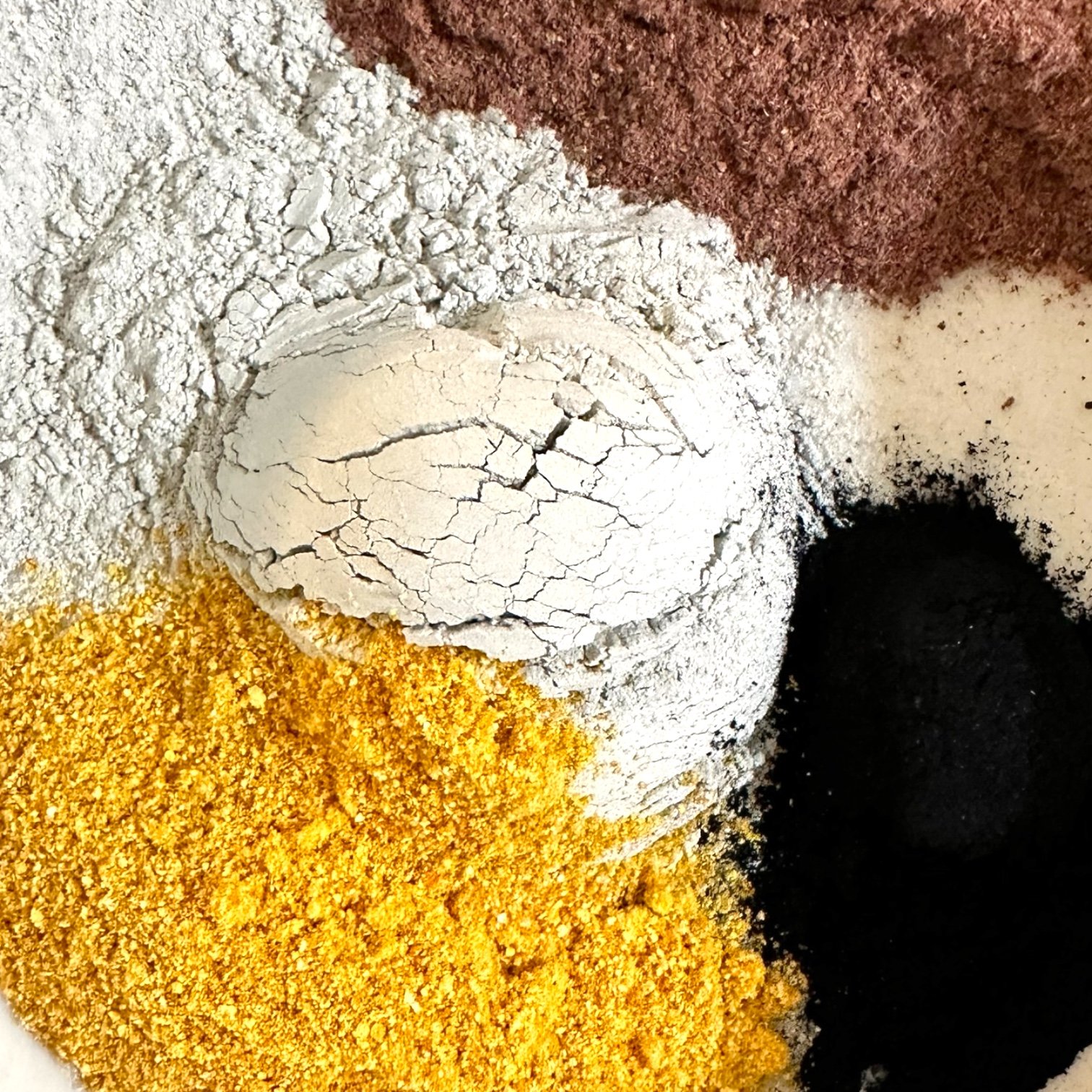
The All-Natural Advantage: Why Botanical Masks Triumph
Botanical powder masks, renowned for their minimal processing and absence of synthetic additives, stand at the pinnacle of natural skincare.
Unveiling Nature's Secret: The Transformative Power of Botanical Powder Masks
In the endless pursuit of flawless skin, the allure of botanical powder masks with natural ingredients is capturing the hearts of beauty enthusiasts worldwide. These masks, crafted from the earth's purest ingredients, promise not only to purify and rejuvenate the skin but also to imbue our wellness routines with the serenity of nature's touch. In this blog post, we delve into the profound benefits of using our botanical powder mask, highlighting the magical properties of Bentonite Clay, Activated Charcoal, Orange Peel, and Roses.
The All-Natural Advantage: Why Botanical Masks Triumph
Botanical powder masks, renowned for their minimal processing and absence of synthetic additives, stand at the pinnacle of natural skincare. The use of pure, organic components ensures that your skin is nourished by the gentle yet potent essences of the earth. Here's why you should indulge in the ritual of applying a botanical mask:
Purity and Safety: Natural ingredients typically have a lower risk of causing irritation or adverse reactions, making them suitable for most skin types.
Potent Efficacy: Plants concentrate potent healing compounds to protect themselves, and these benefits are passed on to your skin.
Environmental Stewardship: By choosing botanical products, you support sustainability and reduce the impact on the planet.
The Quintessential Quartet: Our Botanical Mask Ingredients
Bentonite Clay: The Detoxifying Powerhouse
Benefits:
Pore Refinement: Bentonite clay is known to minimize the appearance of pores by drawing out oils and impurities.
Sebum Regulation: Its absorbent properties help balance oil production, curbing excessive sebum.
Skin Renewal: Rich in minerals, it rejuvenates the skin's surface, leaving it smooth and refreshed.
Activated Charcoal: The Purifying Charmer
Benefits:
Deep Cleansing: Like a magnet, activated charcoal binds to toxins, pulling them away from the skin.
Acne Mitigation: Its ability to draw out bacteria and dirt makes it a formidable ally against acne.
Complexion Enhancement: Regular use can lead to a brighter and more even skin tone.
Orange Peel: The Citrus Glow-Maker
Benefits:
Vitamin C Boost: A powerhouse for promoting collagen production and enhancing glow.
Natural Exfoliator: The texture of orange peel gently exfoliates, helping to slough away dead skin cells.
Brightening Effect: It works to diminish dark spots and even out skin tone, thanks to its citric acid content.
Roses: The Soothing Beautifier
Benefits:
Hydration: Rose has natural oils that help lock moisture into the skin, keeping it feeling smooth.
Anti-inflammatory: With its calming properties, rose helps reduce redness and irritation.
Antioxidant Rich: Packed with antioxidants, it aids in repairing damage from environmental stressors.
Warnings and Contraindications
While natural ingredients are generally safe, they can still cause reactions in some people. Here are some points to consider:
Allergies: Always patch test before use, especially if you have a history of allergies.
Sensitivity: If you have sensitive skin, use the mask sparingly at first to ensure compatibility.
Pregnancy: Consult with a healthcare provider before using any new skincare products during pregnancy.
Incorporating the Botanical Powder Mask into Your Wellness Routine
Adopting a botanical powder mask into your wellness routine can be both rejuvenating and therapeutic. Here's how to create a mindful masking practice:
Schedule Regular Sessions: Dedicate two evenings a week for your mask ritual. This consistency allows your skin to reap the ongoing benefits.
Set the Mood: Create a relaxing atmosphere with soft music, candles, or essential oils to enhance the experience.
Prepare Your Skin: Cleanse your face thoroughly to remove makeup and impurities before applying the mask.
Mindful Application: Gently mix the powder with water and apply the paste with loving attention, practicing mindfulness as you spread the mask over your face.
Savor the Moment: As the mask dries, take this time to meditate, read, or simply breathe deeply.
Rinse and Reflect: Remove the mask with warm water, and as you pat your skin dry, affirm the nurturing you've given yourself.
References
To substantiate the benefits and precautions mentioned, here are selected references:
Williams, L.B., & Haydel, S.E. (2010). Evaluation of the medicinal use of clay minerals as antibacterial agents. International Geology Review, 52(7/8), 745-770.
Wang, L., et al. (2014). In vitro antimicrobial activity and mechanism of action of the leaf extract from Rosa rugosa against Candida species. Journal of Applied Microbiology, 116(5), 1144-1155.
Pullar, J.M., Carr, A.C., & Vissers, M.C.M. (2017). The Roles of Vitamin C in Skin Health. Nutrients, 9(8), 866.
Conclusion
By embracing the healing potential of natural ingredients within botanical powder masks, we not only care for our skin but also align with the rhythm of nature's restorative cycle. So, let us harness the brilliance of Bentonite Clay, Activated Charcoal, Orange Peel, and Roses, to reveal our most radiant selves, naturally.
Remember, every mask is a journey—a gentle exploration of the union between nature's wisdom and our innate beauty.

Lets Talk Hormones……..
Hormones play an intricate role in regulating numerous processes in the body, including metabolism, mood, reproductive systems, and more. Hormonal imbalances—caused by stress, diet, menopause, thyroid disorders, or other medical issues—can lead to fatigue, mood swings, acne, and other health problems.
Harnessing Nature for Hormonal Balance: Plants, Botanicals, and Essential Oils
Hormones play an intricate role in regulating numerous processes in the body, including metabolism, mood, reproductive systems, and more. Hormonal imbalances—caused by stress, diet, menopause, thyroid disorders, or other medical issues—can lead to fatigue, mood swings, acne, and other health problems. Natural remedies, particularly plants, botanicals, and essential oils, offer supportive tools to help rebalance hormones and ease fluctuations. This blog will delve into some of the most beneficial options, explaining how they interact with the body, effective ways to integrate them into your wellness routine, and precautions you should take.
Beneficial Plants and Botanicals
1. Maca Root (Lepidium meyenii)
Native to Peru, maca is often heralded as a hormonal balancing powerhouse, particularly for women experiencing menopause or PMS. Maca works by supporting the endocrine system, which is responsible for hormone production. It also helps regulate the hypothalamus and pituitary glands, crucial players in hormonal balance.
Benefits:
Improves energy and mood
Helps restore libido
Reduces symptoms of menopause, such as hot flashes
How to Use:
Maca is typically available as a powder or capsule. Add 1 teaspoon of maca powder to smoothies, coffee, or oatmeal daily.
Warnings:
High doses may cause digestive discomfort or insomnia.
Avoid use if pregnant, breastfeeding, or if you have thyroid issues, as maca contains goitrogens that may disrupt thyroid function.
2. Vitex (Chaste Tree Berry)
Vitex is a go-to botanical for regulating menstrual cycles and enhancing progesterone production. It works by influencing the pituitary gland, which controls hormone secretion.
Benefits:
Reduces PMS and menstrual cramps
May improve fertility
Helps mitigate symptoms of menopause
How to Use:
Vitex is commonly taken as a tincture or capsule. The typical dose is 20–40 mg per day.
Warnings:
Hormonal effects may take weeks to substantiate, so be patient.
Avoid using Vitex if you’re on hormonal contraceptives or undergoing hormonal therapy.
3. Ashwagandha (Withania somnifera)
Ashwagandha is an adaptogen, meaning it helps the body adapt to stress—a prominent factor in hormonal imbalances. It works by regulating cortisol levels (the stress hormone) and supporting the thyroid’s functioning.
Benefits:
Reduces stress-related hormonal fluctuations
Supports thyroid health
Improves energy and reduces fatigue
How to Use:
Take powdered Ashwagandha (about 300–500 mg) in smoothies, teas, or capsules.
Warnings:
Avoid use during pregnancy.
Can interact with medications that affect the thyroid or immune system.
4. Evening Primrose Oil
This oil is rich in gamma-linolenic acid (GLA), a fatty acid that aids hormone production and reduces inflammation. It is most effective for alleviating PMS symptoms and skin conditions linked to hormonal fluctuations.
Benefits:
Improves hormonal acne
Reduces menstrual cramps
Supports skin health
How to Use:
Evening primrose oil is typically available in capsules. The typical dosage ranges from 500–1,000 mg per day.
Warnings:
May cause headaches or upset stomach in some users.
Avoid if on blood-thinning medications.
Raspberry Leaf
Benefits:
Red raspberry leaf is commonly used for its potential benefits on women's reproductive health. It's especially well-regarded among herbalists for its uterine toning and regulating properties, which can help support a healthy menstrual cycle. The presence of fragarine, a compound found in raspberry leaves, is believed to help tone and tighten muscles in the pelvic area, including the uterine muscles, which could potentially aid in balancing hormonal fluctuations during the menstrual cycle.
Usage:
Raspberry leaf is most commonly consumed as a tea. To make the tea, steep 1 tablespoon of dried raspberry leaves in 8 ounces of boiling water for 10-15 minutes. It is usually recommended to start with one cup a day and potentially increase to two or three cups if well-tolerated and deemed beneficial.
References & Warnings:
There is limited scientific evidence to fully support the traditional uses of raspberry leaf; much of the information comes from historical and anecdotal sources. Pregnant women often use raspberry leaf tea to prepare for labor, but it should be taken under the guidance of a healthcare provider. There are no major known contraindications except for those with personal allergies to raspberries.
Red Clover
Benefits:
Red clover contains isoflavones, which are a type of phytoestrogen, plant-based compounds that mimic estrogen in the body. This can make red clover helpful for relieving symptoms of estrogen imbalance, such as those experienced during menopause or PMS. It is used to ease hot flashes, night sweats, and other menopausal symptoms.
Usage:
Red clover can be taken in several forms including tea, capsules, and tinctures. When preparing tea, use 1-2 teaspoons of dried flowers steeped in 8 ounces of boiling water for about 15 minutes.
References & Warnings:
As with raspberry leaf, formal research on red clover is limited. Individuals with hormone-sensitive conditions, like certain cancers, should consult a healthcare provider before using red clover. Other potential contraindications include blood clotting disorders or medications, as red clover can potentially thin the blood.
Reishi Mushrooms
Benefits:
Reishi mushrooms have a history of use in traditional medicine for their potential to modulate the immune system and reduce stress. They are believed to be adaptogens, helping the body resist different kinds of stressors. While scientific research specifically on hormonal balance is limited, the potential stress-reducing effects of reishi mushrooms could indirectly aid hormonal balance by reducing the impacts of stress on hormonal systems.
Usage:
Reishi is available in various forms, including powders, capsules, and teas. The dosages can vary widely depending on the form and concentration, so it is important to follow the manufacturer's instructions or consult a healthcare provider for guidance.
References & Warnings:
Although reishi mushrooms are generally considered safe for most people, they can interact with some medications, including anticoagulants and immunosuppressants. It's also important to ensure that reishi supplements are purchased from reputable sources, as some may be contaminated with harmful substances.
General Advice
For all these supplements, purchasing from a reputable source to ensure purity and actual content is crucial. It is always best to consult a healthcare provider or a knowledgeable herbalist when using these herbs, especially if you are pregnant, nursing, have existing health conditions, taking medications, or experiencing severe hormonal imbalances. Your healthcare provider can offer advice tailored to your individual health needs and ensure that any supplement you take won't interfere with existing conditions or medications.
Essential Oils for Hormonal Balance
1. Clary Sage
Clary sage oil is renowned for its ability to influence estrogen levels, making it ideal for women experiencing PMS, menopause, or irregular cycles.
Benefits:
Balances estrogen levels
Reduces stress and cortisol levels
Soothes menstrual cramps
How to Use:
Diffusion: Add a few drops to a diffuser for aromatherapy.
Massage: Mix 2–3 drops of clary sage oil into a carrier oil (like coconut or jojoba) and massage directly into the abdomen during menstrual cramps.
Warnings:
Avoid during pregnancy. May stimulate uterine contractions.
2. Lavender
Lavender oil is synonymous with relaxation but also plays a significant role in hormonal balance. Its ability to reduce stress (and consequently lower cortisol) makes it beneficial for managing hormone-related mood swings.
Benefits:
Alleviates stress and improves sleep quality
Reduces anxiety-related hormonal fluctuations
How to Use:
Diffusion: Add a few drops to a diffuser before bedtime to promote relaxation.
Bath: Mix 5–7 drops into Epsom salts and add to a warm bath.
Warnings:
Rare allergic reactions may occur. Perform a patch test before topical use.
3. Geranium
Geranium essential oil supports adrenal function and helps balance estrogen and progesterone levels.
Benefits:
Alleviates PMS symptoms
Improves mood and energy
How to Use:
Massage: Blend with a carrier oil and apply to pulse points.
Diffusion: Use a diffuser for emotional and hormonal support.
Warnings:
Avoid during pregnancy and if breastfeeding.
Modalities to Support Plant and Botanical Healing
Combining natural remedies with supportive modalities amplifies their effectiveness. Consider incorporating the following:
1. Nutrition and Diet:
A nutrient-dense diet is critical for hormonal balance:
Include healthy fats (e.g., avocados, nuts, seeds) for hormone production.
Eliminate processed foods and sugar, which exacerbate hormonal imbalances.
Include cruciferous vegetables like broccoli and kale, which support estrogen detoxification.
2. Stress Management:
Chronic stress disrupts cortisol and other hormone levels. Techniques like yoga, meditation, and breathwork help lower stress and support hormone regulation.
3. Exercise:
Regular exercise optimizes hormone production, notably improving insulin and cortisol levels. Be mindful not to over-exercise, as this can spike stress hormones.
4. Functional Testing:
Run hormone panels through a functional medicine practitioner to pinpoint deficiencies or imbalances. Personalized care leads to more effective results.
Warnings and Contraindications
While natural remedies provide gentle, supportive care, it’s essential to consider the following:
Medication Interactions: Consult your healthcare provider before using any herbal supplement if you’re on prescription medications.
Pregnancy and Breastfeeding: Avoid certain plants and essential oils during pregnancy, such as clary sage and geranium, as some can induce uterine contractions.
Allergic Reactions: Always perform a patch test with essential oils before using them topically.
High Doses: More is not always better. Stick to recommended doses, as overdosing can lead to toxicity or adverse effects.
Conclusion
Nature offers a multitude of remedies to support hormonal balance, from adaptogenic herbs to soothing essential oils. When paired with stress management, nourishing foods, and lifestyle shifts, these plants and botanicals can ease hormonal fluctuations and restore equilibrium. Always approach natural remedies mindfully, respecting individual health needs and consulting with your healthcare provider when needed.
References
Chatterjee, M., & Pandey, S. (2020). Adaptogens in Medicine. Journal of Stress Research.
National Center for Complementary and Integrative Health (NCCIH). “Essential Oils Guide.”
Lee, S. K., et al. (2019). Gamma-Linolenic Acid and Menstrual Distress. Journal of Nutritional Biochemistry.
Mayo Clinic. “Hormonal Imbalances and Women’s Health.”

Exploring the Earthy Delights of Hemp Edibles: A Guide for the Connoisseur
Ah, the world of hemp edibles – that rich tapestry woven with delectable flavors and subtle experiences that enchant both the palate and mind.
Check out our sister site WFWHEMP.NET for more of our hemp products
Exploring the Earthy Delights of Hemp Edibles: A Guide for the Connoisseur
Ah, the world of hemp edibles – that rich tapestry woven with delectable flavors and subtle experiences that enchant both the palate and mind. For those who walk the path of the cannabis aficionado, understanding and appreciating the intricate dance of cannabinoids in our system becomes almost as satisfying as the consumption itself. So, sit back, imagine the fragrance of freshly prepared hemp-infused delights, and let’s delve deep into the art and science of enjoying hemp edibles responsibly and deliciously.
Check out our sister site WFWHEMP.NET for more of our hemp products
The Sensory Journey Through Our System
Before we taste, let’s talk about what happens under the hood—or rather, under the tongue and beyond. When you indulge in a hemp edible, you are embarking on a voyage that transforms the cannabinoid CBD into a symphony of effects within your body. Unlike its effervescent cousin THC, CBD does not intoxicate but instead offers a calm that sweeps gently over you, like a soft blanket on a cool evening.
Once swallowed, the active components in hemp edibles embark on a meticulous journey through your digestive tract, where they’re absorbed into the bloodstream. This route, while not as quick as inhaling, results in a longer-lasting effect, often with a gradual onset that whispers into existence rather than shouting. The liver then takes its turn, metabolizing the cannabinoids in what’s known as the "first pass effect," which transforms CBD into even more potent compounds that serenade your receptors.
Top 3 Ways to Sip, Savor, and Chew Your Way to Bliss
1. Hemp-Infused Gummies: A splash of color, a burst of flavor, and a texture that just melts in your mouth—gummies are a delightful and discreet way to dose CBD. Perfect for on-the-go or a sweet evening treat, these little gems are as effective as they are delightful. Pair them with a soothing herbal tea to enhance the relaxation.
2. Hemp Chocolate Bars: Imagine breaking off a piece of rich, velvety chocolate that not only satisfies your sweet tooth but also eases your spirit. Hemp-infused chocolates are a decadent way to incorporate CBD into your day. Whether it's dark, milk, or white chocolate, each bite offers a creamy path to tranquility.
3. Hemp Capsules: For those who prefer a more straightforward approach, capsules offer a no-frills method to consume hemp. These are ideal for maintaining a consistent dose. They may lack the sensory appeal of gummies or chocolates, but they make up for it in precision and ease.
Words of Guidance: Warnings and Contraindications
Embracing the world of hemp edibles comes with its share of responsibilities. Here are a few cautions to keep your experience both safe and enjoyable:
Start Low and Go Slow: Especially if you’re new to hemp products, begin with a low dose and give it plenty of time—usually between one to two hours—to gauge its impact.
Check Interactions: If you’re on medications, consult with a healthcare provider to avoid any unwanted interactions. CBD is generally well-tolerated, but it's wise to tread carefully.
Store Safely: Keep your edibles in a cool, dark place to preserve their efficacy, and ensure they’re out of reach of children and pets.
Inhaling the earthy aromas, delighting in the intricate flavors, and riding the gentle wave of effects, hemp edibles offer a unique canvas for exploration and enjoyment. Remember, part of the journey is understanding the pathways these botanical wonders take through our systems, transforming every experience into an opportunity for connection and discovery. Whether you choose gummies, chocolates, or capsules, each offers a different note in the harmonious blend of sensory experiences that define the connoisseur’s pursuit of cannabis enlightenment.

Warm and Cold Herbs: Their Uses, Benefits, and Role in Natural Wellness
Warm and Cold Herbs: Their Uses, Benefits, and Role in Natural Wellness
Herbs have been a cornerstone of natural wellness for centuries. In traditional medicine systems like Ayurveda and Traditional Chinese Medicine (TCM), herbs are often classified as "warm" or "cold" based on their energetic and elemental properties. Understanding the distinction between these categories is essential for using herbs to balance your body, mind, and spirit.
In this guide, we will explore the meanings of warm and cold herbs, their benefits, and how to incorporate them into your wellness practices. Additionally, we’ll include warnings and contraindications to ensure safe use.
What Are Warm and Cold Herbs?
Warm Herbs: These herbs are energetically warming. They stimulate circulation, boost metabolism, and are often used to treat conditions associated with cold or sluggishness, such as fatigue, poor digestion, or cold hands and feet. Warm herbs are associated with fiery and invigorating qualities.
Cold Herbs: Cold herbs, on the other hand, are calming and cooling by nature. They are perfect for conditions rooted in heat or inflammation, such as fevers, irritability, sore throats, or overactivity. They nourish, soothe, and bring cooling relief to a “heated” or overactive system.
Most Popular Warm Herbs
1. Ginger (Zingiber officinale)
Benefits: Improves circulation, aids digestion, reduces nausea, and supports immunity.
Use: Fresh ginger tea, included in meals, or as a supplement.
Warnings: Avoid in excessive amounts if you have ulcers or are taking blood-thinning medications.
2. Cinnamon (Cinnamomum verum)
Benefits: Anti-inflammatory, stimulates digestive function, balances blood sugar, and warms the body.
Use: Sprinkle on warm drinks, bake into recipes, or create cinnamon-infused teas.
Warnings: Excessive consumption can lead to liver toxicity due to coumarin content (present in cassia cinnamon varieties).
3. Black Pepper (Piper nigrum)
Benefits: Boosts metabolism, enhances nutrient absorption, and supports respiratory health.
Use: Use as a seasoning or combine with turmeric for enhanced absorption of curcumin.
Warnings: Can irritate the stomach lining in high doses.
4. Turmeric (Curcuma longa)
Benefits: Anti-inflammatory, boosts immunity, supports joint health, and improves gut function.
Use: Add to meals, create a turmeric latte, or take as a supplement.
Warnings: People with gallstones or bile duct obstruction should avoid turmeric supplements.
5. Clove (Syzygium aromaticum)
Benefits: Supports dental health, reduces pain, fights infections, and stimulates digestion.
Use: Make clove-infused tea or use essential oil (diluted) for oral care.
Warnings: Essential oil should always be diluted; internal use of clove essential oil may cause nausea or vomiting if overused.
Most Popular Cold Herbs
1. Peppermint (Mentha × piperita)
Benefits: Soothes digestion, relieves headaches, uplifts mood, and cools inflammation.
Use: Brew into tea, include in homemade skincare, or take as a supplement.
Warnings: Avoid peppermint oil internally if you have GERD, as it can worsen reflux symptoms.
2. Chamomile (Matricaria chamomilla)
Benefits: Calms the nervous system, improves sleep, soothes inflammation, and supports digestion.
Use: Drink chamomile tea, use in skin compresses, or make a tincture.
Warnings: Can interact with anticoagulants; avoid if allergic to ragweed, daisies, or marigolds.
3. Aloe Vera (Aloe barbadensis)
Benefits: Cools inflammation, supports digestive health, and helps treat sunburns or skin irritation.
Use: Consume aloe gel internally (ensuring purity) or apply topically for skin issues.
Warnings: Internal use can cause diarrhea if taken in large amounts; avoid during pregnancy.
4. Lavender (Lavandula angustifolia)
Benefits: Calms the mind, reduces stress, eases headaches, and supports skin healing.
Use: Diffuse essential oil, make lavender tea, or use in bath rituals.
Warnings: May cause drowsiness; avoid use before driving or if you’re sensitive to fragrances.
5. Elderflower (Sambucus nigra)
Benefits: Reduces fever, soothes respiratory issues, and detoxifies the body.
Use: Brew elderflower tea or use as part of a steam inhalation.
Warnings: Avoid unripe elderberries or raw parts of the plant, which are toxic.
How to Use Warm and Cold Herbs for Your Wellbeing
The key to integrating warm and cold herbs into your wellness practices lies in recognizing your body's needs. Here are some tips to guide you:
1. Balance Your Energies
If you're feeling sluggish, fatigued, or cold, reach for warm herbs like ginger or cinnamon to reignite your vitality.
If you’re experiencing heat-based symptoms like inflammation or restlessness, opt for cooling herbs like peppermint or chamomile to restore balance.
2. Seasonal Wellness
Warm herbs are excellent in winter months to combat cold weather and promote circulation.
Cold herbs are ideal in summer to stay refreshed and cool down internal heat exacerbated by warm temperatures.
3. Create Rituals
Brew teas combining warm and cold herbs for balance (e.g., ginger and peppermint).
Use warm herbal oils for massage when feeling chilly or tight, and cold herbal compresses for inflammation or headaches.
Contraindications and Warnings
Herbs are potent, natural medicines, and it’s essential to use them mindfully. Here are general precautions:
Consult a Professional: If you are pregnant, breastfeeding, or have underlying health conditions, consult with a herbalist, naturopath, or your healthcare provider before using herbs.
Drug Interactions: Some herbs can interact with prescription medications, such as anticoagulants, antidepressants, or blood-pressure drugs.
Allergies: Conduct a patch test or try small amounts first to ensure you don’t have an allergic reaction.
Dosage: Avoid overconsumption; herbal remedies are most effective when taken in moderation.
Conclusion: Warm & Cold Herbs on a Natural Wellness Path
Warm and cold herbs provide powerful healing properties when used thoughtfully. By tuning into your body's needs and experimenting with these substances, you can embrace a more natural and balanced wellness path.
Whether it's a steaming cup of ginger tea to start your morning or a calming chamomile infusion before bed, herbs gently guide you toward harmony and healing while nurturing your mind, body, and spirit.
References
Hoffmann, David. Medical Herbalism: The Science and Practice of Herbal Medicine. Healing Arts Press, 2003.
Bhattacharya, Anupama. "Ayurvedic Principles of Herbal Medicine," Journal of Ayurveda and Integrative Medicine, 2015.
Tisserand, Robert, and Young, Rodney. Essential Oil Safety: A Guide for Health Care Professionals. Churchill Livingstone, 2014.
What are your favorite herbs to incorporate into your daily self-care rituals? Share your experiences below! 🌿
#HerbalHealing #NaturalWellness #HolisticHealth #WarmHerbs #ColdHerbs #HerbalRituals #MindfulLiving

Unlocking the Potential of CBD and Magnesium in Skincare
The Powerful Duo: Unlocking the Potential of CBD and Magnesium in Skincare
In today’s bustling world, finding ways to relax and recharge is vital for our well-being. Enter the realm of CBD and magnesium – a powerful combination taking the skincare industry by storm. Discover the rejuvenating potential of a CBD infused cream enhanced with magnesium, and how it could be your partner in achieving healthier skin and a more relaxed you.
Check out our Hemp site here
Harnessing the Power of CBD Oil
CBD, or cannabidiol, is a compound found in hemp plants that has become famous for its impressive range of therapeutic properties. Unlike its cousin THC, CBD is non-psychoactive, making it suitable for those seeking the benefits of cannabis without the high.
Why CBD in Skincare?
Anti-inflammatory: CBD can help reduce redness, swelling, and discomfort associated with inflammation in the skin (Bíró et al., 2009).
Soothing: It may calm skin conditions such as eczema and psoriasis (Atalay, Jarocka-Karpowicz, & Skrzydlewska, 2019).
Moisturizing: CBD oil can improve your skin’s hydration levels and strengthen its natural barrier (Palmieri et al., 2019).
Adding CBD to your skincare routine could provide a soothing and balancing act suitable for all skin types.
The Magnesium Marvel
Magnesium is an essential mineral that plays a crucial role in over 300 enzymatic reactions in the human body, including muscle and nerve function, and maintaining healthy skin cells.
Magnesium’s Topical Triumphs:
Muscle Relaxation: Known to alleviate muscle tension and reduce cramping.
Stress Reducer: It can penetrate the skin, providing a calming effect and aid in reducing stress (Pickering & Kiely, 2020).
When combined with CBD, magnesium's ability to relax muscles complements CBD's soothing effects.
A Blend of Botanicals: Nature’s Offering to Your Skin
Avocado Butter: Bursting with vitamins A, D, and E, it absorbs deeply, moisturizes, and nourishes the skin, promoting elasticity and rejuvenation.
Grapeseed Oil: This lightweight oil is lauded for its antioxidant properties. It’s known to even out skin tone and protect the skin from free radicals (DiMaio, 2020).
Arrowroot Powder: A natural healer, arrowroot reduces oiliness and provides a silky feel, allowing the cream to blend smoothly into the skin.
Vitamin E Oil: It works as a natural preservative and is loaded with antioxidants that help protect the skin from damage caused by free radicals (Keen & Hassan, 2016).
Lavender Essential Oil: Not just for a pleasant aroma, lavender oil is also celebrated for its skin-healing and relaxation qualities (Koulivand, Khaleghi Ghadiri, & Gorji, 2013).
Grapefruit Essential Oil: Its uplifting scent compliments its role in promoting a bright complexion and supporting skin health.
Embracing the Cream: Is it for Everyone?
While CBD and magnesium have wide-reaching benefits, they're not suitable for everyone. Pregnant or breastfeeding women should consult a healthcare provider before use. As with all topical products, patch testing is essential to avoid potential irritations or allergic reactions.
Remember, always buy from reputable sources to ensure the cream is free from pesticides, heavy metals, and meets the advertised CBD content (Bonini et al., 2019).
Soothing Skin and Soul: A Personal Testimony
Jane, a 35-year-old yoga instructor, struggled with mild eczema and routine muscle aches. She began using a CBD and magnesium-infused cream twice daily. "It was like a sigh of relief for my skin, and my post-yoga soreness reduced significantly," she shared. "The peace of mind knowing I’m using natural products means a lot to me."
Conclusion: A Natural Synergy for Well-being
A CBD infused cream with magnesium could be your ticket to not only great skin but also to profound relaxation and recovery. As you unwind into your evening, let this blend of nature's wonders encourage a sense of tranquility and renewal.
Always consult a healthcare professional before starting any new skincare regimen.
Disclaimer: The information provided in this blog post is for educational purposes only and should not be considered medical advice. The statements have not been evaluated by the Food and Drug Administration. These products are not intended to diagnose, treat, cure, or prevent any disease.

Benefits of Topical CBD Applications
The Remarkable Benefits of CBD for Your Skin: A Comprehensive Guide
Cannabidiol (CBD), a natural compound derived from the cannabis plant, has been gaining significant attention in the skincare industry for its myriad of potential benefits. This non-psychoactive component is celebrated not just for its potential to alleviate stress and anxiety, but also for the wonders it can do for the skin when applied topically. From soaps to lip care, from salves to body balms, and from face oils to a variety of other skincare formulations, CBD's integration into skincare products is revolutionizing the way we approach skin health and wellness. Moreover, when CBD is combined with botanical oils such as hemp seed oil, calendula oil, lavender oil, and others, its benefits are amplified, offering a synergistic effect that enhances skin health profoundly. Let's dive into the benefits of CBD for skin and discover how it, along with botanical oils, can be a game-changer for your skincare routine.
Visit our sister website for our amazing line of CBD skin care and more here
Benefits of Topical CBD Applications
CBD Soaps
CBD-infused soaps offer a gentle cleansing experience, leaving the skin soft and moisturized rather than stripped and dry. CBD's anti-inflammatory properties can help soothe skin irritation and redness, making it suitable for sensitive skin types.
Lip Care Products
Chapped lips are no match for CBD-containing lip balms, which provide an extra layer of protection and hydration. CBD's antioxidant properties aid in repairing damaged skin, keeping your lips soft, smooth, and resistant to environmental stressors.
Salves
For targeted relief of muscle soreness and joint pain, CBD salves are a go-to solution. The anti-inflammatory effect of CBD helps in reducing swelling and easing discomfort, making it a favorite among athletes and those with arthritis.
Body Balms
CBD-infused body balms offer an intensely moisturizing experience, ideal for treating dry, irritated, or inflamed skin. Their ability to calm and soothe makes them excellent for post-sun care or for managing skin conditions like eczema and psoriasis.
Face Oils
CBD face oils can revolutionize your skincare routine, offering anti-aging benefits, reducing acne by regulating oil production, and soothing inflammation. Its antioxidant properties protect the skin from free radicals, promoting a healthy, glowing complexion.
Amplifying Effects with Botanical Oils
Hemp Seed Oil
Rich in omega-3 and omega-6 fatty acids, hemp seed oil enhances CBD's anti-inflammatory and moisturizing benefits, aiding in skin repair and maintaining the skin's barrier.
Calendula Oil
Known for its healing properties, calendula oil works alongside CBD to enhance skin's appearance, soothe irritation, and accelerate wound healing.
Lavender Oil
Lavender oil's calming effects complement CBD's soothing properties, making their combination ideal for stress-induced skin conditions like acne or rosacea.
Arnica Oil
Often used for bruising, swelling, and pain management, arnica oil combined with CBD offers potent anti-inflammatory benefits, excellent for post-injury or surgery recovery.
Willow Bark Oil
A natural source of salicylic acid, willow bark oil enhances CBD's effectiveness in acne treatment by exfoliating the skin and clearing pores.
Blue Lotus Oil
This luxurious oil aids in improving skin elasticity and appearance, while its synergistic effect with CBD helps in soothing and moisturizing the skin.
Comfrey Oil
Comfrey oil is known for its ability to heal skin tissue, working with CBD to treat cuts, burns, and other skin injuries by promoting faster cell regeneration.
Warnings and Contraindications
Despite its benefits, it's crucial to approach CBD skincare with caution. Always patch test a new product to check for allergic reactions. Pregnant or nursing women and individuals with serious health conditions should consult a healthcare provider before using CBD products. Be aware of the source of your CBD and choose products from reputable companies that provide third-party testing to ensure quality and safety.
Conclusion
CBD's integration into skincare, particularly when combined with beneficial botanical oils, represents a significant advancement in achieving optimal skin health and wellness. Its versatility in treating a variety of skin issues, from dryness and irritation to more severe conditions like eczema, alongside its soothing and anti-inflammatory capabilities, makes CBD an invaluable ingredient in the skincare realm. As with any skincare product, it's important to select high-quality, tested products and consult with healthcare professionals if you have pre-existing conditions or concerns.
Remember, the key to unlocking CBD's potential lies in consistent and mindful use. Welcome to a new era of skincare, where the blissful benefits of CBD await.

In the bustling world of natural skin care, hempseed oil emerges as a powerful, eco-friendly superstar
Extracted from the seeds of the Cannabis sativa plant, hempseed oil is celebrated not only for its impressive skin benefits but also for its positive environmental impact.
The Remarkable Benefits of Hempseed Oil for Your All-Natural Skin Care Routine
In the bustling world of natural skin care, hempseed oil emerges as a powerful, eco-friendly superstar. Extracted from the seeds of the Cannabis sativa plant, hempseed oil is celebrated not only for its impressive skin benefits but also for its positive environmental impact. Here we delve into why incorporating hempseed oil into your skincare regimen can be a game changer for both your skin and the planet.
Benefits of Hempseed Oil for Skin
Hempseed oil is rich in essential fatty acids, vitamins, and minerals which makes it highly beneficial for the skin in multiple ways:
1. Moisturization
Hempseed oil is known for its ability to moisturize without clogging pores. It helps to balance out oily skin, hydrating it while regulating the skin's oil production.
2. Anti-Inflammatory Properties
Due to its gamma-linolenic acid (GLA) content, hempseed oil has strong anti-inflammatory properties that help to calm inflammation and irritation on the skin, including conditions like acne, minor abrasions, and psoriasis.
3. Anti-Aging Benefits
Hempseed oil can help reduce fine lines and wrinkles as well as prevent signs of aging from developing. The linoleic acid and oleic acids found in this oil are not produced by the body but can play a crucial role in skin health and anti-aging.
4. Skin Barrier Enhancement
It is beneficial for strengthening the skin’s barrier, protecting it against pollution and other environmental irritants, owing to its rich omega-6 and omega-3 fatty acids.
Environmental Benefits of Hempseed Oil
1. Sustainable Cultivation
Hemp plants are robust and require little water, no pesticides, and naturally enrich the soil in which they grow, making them a sustainable and environmentally friendly crop.
2. CO2 Absorption
Hemp plants absorb more CO2 per hectare than any forest or commercial crop, making them a great tool for battling climate change.
3. Biodegradable and Non-Toxic
Products made with hempseed oil are generally non-toxic, biodegradable, and can be produced without harmful chemicals.
Best Applications of Hempseed Oil for the Skin
1. Creams and Lotions
Incorporate hempseed oil into daily moisturizers and hand creams to reap the benefits of its moisturizing and soothing properties.
2. Salves and Balms
Hempseed oil works wonders in salves and balms for treating dry, irritated skin, and also for soothing aches and pains in muscles and joints.
3. Soaps
Hempseed oil soaps are gentle on the skin and offer a natural, toxin-free alternative to traditional soaps with synthetic ingredients.
4. Lip Balms
It is an excellent ingredient for lip balms, providing hydration and protection against the harsh elements.
5. Body Balms
Use it in body balms for an all-over treatment that helps to soothe, moisturize, and nourish the skin, or to help treat specific issues like eczema or sunburn.
Precautions and Considerations
While hempseed oil is generally safe for all skin types, it's always a wise approach to patch test new products on a small section of skin before widespread use. Although allergies to hemp are rare, they can occur.
Conclusion
Hempseed oil is a valuable addition to any natural skin care routine, providing not only significant skin health benefits but also offering a green, sustainable choice that supports our environment. Whether incorporated into products or used in its pure form, hempseed oil can help nurture your skin and contribute to a healthier planet.
Before making any changes to your skincare routine, particularly if you have sensitive skin, it's a good idea to consult with a dermatologist to ensure compatibility with your specific skin needs. This ensures you gain the maximum benefit without compromising skin health.

Natural topicals offer an effective and holistic approach to managing pain, inflammation, and skin health.
Topical remedies have long been used to address pain, inflammation, and skin conditions, especially when infused with powerful natural and holistic ingredients.
The Healing Power of Natural Ingredients: Arnica, Meadowsweet, Willow Bark, Hempseed Oil, CBD & Magnesium in Topicals
Topical remedies have long been used to address pain, inflammation, and skin conditions, especially when infused with powerful natural and holistic ingredients. Arnica, meadowsweet, willow bark, hempseed oil, CBD, and magnesium are some of the most popular and effective agents used in modern natural topical formulations. In this blog post, we'll explore the individual benefits of each ingredient, examples of their uses, and their synergistic advantages when blended into topical products. We'll also discuss important warnings and contraindications to ensure safe usage.
1. Arnica
Overview
Arnica is a flowering herb native to Europe and Siberia and has been traditionally used for centuries to treat bruises, sprains, and muscle soreness. It’s commonly applied in gels, creams, or oils.
Benefits
Anti-inflammatory Properties: Arnica contains helenalin, a compound that reduces inflammation and helps alleviate bruising.
Pain Relief: Effective for managing muscle and joint pain, especially after physical injuries or surgery.
Support for Minor Skin Conditions: Helps reduce swelling and may accelerate the healing process of superficial wounds.
Examples of Use
Arnica gels are often used to reduce bruising after cosmetic procedures.
Sprains from physical activity benefit from arnica creams for reducing pain and swelling.
Warnings & Contraindications
Do not apply to broken skin: Arnica can be toxic if absorbed into the bloodstream through open wounds.
Pregnancy and breastfeeding: Not recommended for use as safety during these times has not been established.
Allergic reactions: Some individuals may experience irritation or an allergic response. Perform a patch test before use.
2. Meadowsweet
Overview
Meadowsweet (Filipendula ulmaria) is a medicinal herb known for its salicylic acid content, the precursor for modern aspirin. Its use in natural topicals aligns with pain management and skincare.
Benefits
Anti-inflammatory and Analgesic Effects: Meadowsweet’s salicylic acid helps reduce pain and inflammation, making it ideal for sore muscles and joints.
Skin Health: Meadowsweet’s natural tannins and astringent properties help balance oil production and soothe irritated skin.
Examples of Use
Meadowsweet-infused creams are popular for managing arthritis pain.
Skincare products use meadowsweet to calm irritation and promote balanced skin tone.
Warnings & Contraindications
Salicylic Allergy: Avoid if you are sensitive to aspirin or salicylates.
Pregnancy caution: Use under medical supervision due to limited safety data.
3. Willow Bark
Overview
Willow bark is derived from several species of willow trees and contains salicin, a natural pain reliever akin to aspirin.
Benefits
Pain Relief: Willow bark’s salicin works similarly to NSAIDs for reducing minor aches and pains.
Anti-inflammatory: Reduces swelling and inflammation, ideal for musculoskeletal issues.
Exfoliation: In skincare, willow bark supports healthy skin by gently exfoliating and promoting clear pores.
Examples of Use
Willow bark balms are often used for lower back pain and joint stiffness.
Incorporating willow bark in acne-clearing creams or scrubs can improve skin texture.
Warnings & Contraindications
Drug Interactions: Avoid concurrent use with NSAIDs or blood-thinning medication.
Allergic Reactions: Individuals with aspirin sensitivity should avoid this ingredient.
Not recommended for children: Risk of salicylate toxicity.
4. Hempseed Oil
Overview
Derived from hemp seeds, hempseed oil is rich in essential fatty acids, vitamins, and antioxidants. It doesn’t contain CBD or THC but is incredibly nourishing for the skin.
Benefits
Moisturizing: Provides deep hydration and strengthens the skin’s natural barrier without clogging pores (non-comedogenic).
Anti-inflammatory: Essential fatty acids like omega-3 and omega-6 soothe skin redness and irritation.
Supports Skin Healing: Rich in antioxidants, hempseed oil promotes cell regeneration and repair.
Examples of Use
Hempseed oil is a popular ingredient in moisturizers for eczema and psoriasis.
Oils or balms infused with hempseed oil are ideal for massage therapy, delivering both hydration and relaxation.
Warnings & Contraindications
Hempseed oil is generally safe for all skin types, though individuals with nut allergies should consult a healthcare provider before use.
5. CBD (Cannabidiol)
Overview
CBD, a non-psychoactive compound found in cannabis, has become a breakout star in health and wellness for its therapeutic effects.
Benefits
Pain Relief: CBD interacts with the body’s endocannabinoid system (ECS) to alleviate both chronic and acute pain.
Anti-inflammatory: Reduces swelling and supports recovery from injuries or joint discomfort.
Stress Relief: Topical CBD applications can relax tight muscles and improve circulation.
Examples of Use
CBD balms are widely utilized for managing arthritis and tendonitis.
Muscle rubs with CBD are popular among athletes for post-workout recovery.
Warnings & Contraindications
Drug Interactions: Consult a doctor before use if taking medications like blood thinners or sedatives.
Patch test for sensitivity: Though rare, some individuals may react to CBD topicals.
6. Magnesium
Overview
Magnesium is a crucial mineral for muscle function and relaxation. When used in topical preparations, it’s absorbed through the skin to deliver targeted benefits.
Benefits
Muscle Relaxation: Magnesium topicals can alleviate cramps, stiffness, and soreness.
Improved Circulation: Promotes blood flow, contributing to healing and pain relief.
Skin Health: Helps eliminate toxins and supports healthy hydration.
Examples of Use
Magnesium sprays are common for sports recovery and leg cramps.
Magnesium cream is often used to relieve tension headaches or soothe restless legs syndrome.
Warnings & Contraindications
Overuse may cause irritation: Prolonged use or high concentrations can lead to itching or redness.
Not a replacement for dietary magnesium: Use alongside oral supplements as needed.
Synergistic Benefits of Blended Topicals
Combining these ingredients into topical formulations creates a powerful synergy by addressing pain, inflammation, and skin health simultaneously. For instance:
Pain Management: Blending arnica, meadowsweet, and CBD amplifies their anti-inflammatory and analgesic properties, providing rapid relief for joint and muscle pain.
Inflammation Reduction: Willow bark paired with CBD offers a double-dose of salicylates and cannabinoids for soothing chronic inflammation.
Enhanced Skin Health: Hempseed oil and magnesium work harmoniously to hydrate and rejuvenate the skin, while meadowsweet adds its calming effects.
Examples of Combined Usage
Arnica-CBD Cream: Perfect for post-exercise soreness and mild injuries.
Hempseed Oil & Magnesium Balm: Ideal for dry skin and muscle cramps.
Willow Bark with Meadowsweet: Helps with arthritic pain and sensitive skin issues.
Warnings & Contraindications of Combined Ingredients
Allergic Reactions: Individuals sensitive to salicylates should avoid blends with willow bark or meadowsweet.
Drug Interactions: Consult a physician regarding CBD and magnesium use in conjunction with prescription medication.
Pregnancy & Breastfeeding: Ingredients like arnica and meadowsweet should be avoided during pregnancy without professional guidance.
Final Thoughts
Natural topicals offer an effective and holistic approach to managing pain, inflammation, and skin health. Arnica, meadowsweet, willow bark, hempseed oil, CBD, and magnesium deliver unique benefits individually and work synergistically when blended. These formulations are best suited for those seeking natural alternatives to over-the-counter or prescription medicines.
References
National Center for Complementary and Integrative Health (NCCIH) – Studies on Arnica.
Journal of Ethnopharmacology – Therapeutic Effects of Meadowsweet and Willow Bark.
Harvard Health Publications – Overview on CBD for Pain Relief.
International Journal of Dermatology – The Role of Magnesium in Skin Health.
Comprehensive Biochemistry – Hempseed Oil and Omega Fatty Acids.
Remember to consult with a healthcare professional before starting any new treatment, especially if you have existing medical conditions. Natural doesn’t always mean risk-free—but with thoughtful preparation and guidance, these ingredients can improve your well-being safely and effectively.
Want to learn more about natural topicals or DIY recipes? Drop your questions in the comments below!

Differences Between Hempseed Oil and CBD Oil
In recent years, the natural wellness world has embraced hempseed oil and CBD oil for their numerous benefits for the skin, body, and emotional health. Though they both come from the hemp plant, they are very distinct products, each with unique properties, uses, and effects. Understanding these differences can help you use them effectively for topical and internal purposes, ensuring you get the most out of their benefits.
Hempseed Oil vs. CBD Oil: Understanding the Differences and Benefits
In recent years, the natural wellness world has embraced hempseed oil and CBD oil for their numerous benefits for the skin, body, and emotional health. Though they both come from the hemp plant, they are very distinct products, each with unique properties, uses, and effects. Understanding these differences can help you use them effectively for topical and internal purposes, ensuring you get the most out of their benefits.
Differences Between Hempseed Oil and CBD Oil
Source
Hempseed Oil: Extracted by cold-pressing the seeds of the hemp plant (Cannabis sativa). Hemp seeds contain no cannabinoids (CBD, THC, etc.), making hempseed oil free of psychoactive effects.
CBD Oil: Derived from the leaves, flowers, and stalks of the hemp plant, where cannabidiol (CBD) is concentrated. It may contain trace amounts of THC (typically less than 0.3%) but is non-intoxicating.
Active Components
Hempseed Oil: Rich in essential fatty acids such as omega-3, omega-6, and omega-9, along with vitamins (A, E, and C), and minerals. It is primarily a nutritional and skin-healing oil.
CBD Oil: Its primary active component is cannabidiol (CBD), a non-psychoactive compound known for its therapeutic properties, including anti-inflammatory, anti-anxiety, and pain-relieving effects.
Uses
Hempseed Oil: Mainly used as a nutrient-rich oil for cooking, skin hydration, and hair care.
CBD Oil: Used as a supplement for physical and mental health benefits, including stress relief, pain reduction, and skin healing.
Benefits of Hempseed Oil
For the Skin
Hydration: The omega fatty acids in hempseed oil help replenish moisture in the skin, making it ideal for dry and flaky patches.
Anti-Inflammatory Properties: Improves skin conditions such as eczema, psoriasis, and acne.
Regulates Oil Production: Perfect for balancing oily and combination skin types.
Emotional Benefits (Internal Use)
While hempseed oil does not contain CBD for direct emotional support, its fatty acids can promote brain health, aiding in focus, memory, and overall mental clarity. Additionally, omega-3s are linked to mood stability and reduced symptoms of depression.
Benefits of CBD Oil
For the Skin
Anti-Inflammatory and Calming: Helps reduce redness, inflammation, and irritation. Effective for treating acne and sensitive skin.
Antioxidants: Protects against environmental stressors and premature aging.
Supports Healing: May assist in the repair of minor skin damage (cuts, scrape scars, or irritation).
Emotional Benefits (Internal Use)
CBD has strong therapeutic effects on emotional health. It helps regulate the endocannabinoid system (ECS), which influences mood, stress, and sleep. Benefits include:
Reduced Anxiety: Calms the nervous system and reduces feelings of stress and panic.
Improved Sleep: Promotes relaxation and helps with insomnia or disrupted sleep cycles.
Pain Relief: Reduces discomfort caused by chronic pain, which can indirectly improve emotional well-being.
Ways to Use Hempseed Oil and CBD Oil
Topical Uses
Hempseed Oil:
Moisturizer: Apply directly to clean skin as a facial oil or on dry elbows/knees for hydration.
Hair Mask: Massage a small amount into your scalp, leave on for 30 minutes, then wash out for nourished hair and scalp.
DIY Body Cream: Combine with shea butter for an ultra-hydrating body lotion.
CBD Oil:
Acne Spot Treatment: Apply CBD oil directly to blemishes or inflamed areas.
Skin Serum: Mix a few drops of CBD oil into your regular moisturizer for added anti-inflammatory and antioxidant benefits.
Massage Oil: Combine CBD oil with a carrier oil (like jojoba oil) for pain-relieving massages.
Internal Uses
Hempseed Oil:
Cooking: Use in salad dressings, smoothies, or drizzle over cooked vegetables for healthy omega fatty acids.
Straight Consumption: Take a teaspoon daily as a supplement for skin and brain health.
CBD Oil:
Sublingual Tincture: Place drops under your tongue for fast absorption into your bloodstream.
Beverage Additive: Mix into your tea, coffee, or smoothies for a calming effect.
Edibles: Cook with CBD oil to incorporate its benefits into baked goods, though avoid overheating so you don’t lose its potency.
Warnings and Contraindications
While both oils are generally safe for topical and internal use, it’s important to understand potential risks and contraindications:
Hempseed Oil
Allergies: Those allergic to hemp or related plants should avoid hempseed oil.
Spoilage: It can go rancid quickly; store in a cool, dark place.
Calorie Density: As a fat source, excessive consumption may lead to an excessive caloric intake.
CBD Oil
Drug Interactions: CBD can interact with medications, particularly blood thinners, antidepressants, and anti-seizure medications. Check with your healthcare provider before using CBD with prescribed drugs.
Sensitivity: Some people may feel fatigue or dizziness when consuming CBD, especially at higher doses.
Pregnancy and Breastfeeding: CBD’s safety during pregnancy and breastfeeding remains uncertain, so avoidance is recommended.
General Warning
Both oils should be purchased from reputable brands. Look for third-party testing and certifications to ensure the oil is free of contaminants like pesticides or heavy metals.
Practical Examples: DIY Recipes
Hydrating Face Mask with Hempseed Oil
Ingredients:
1 tablespoon hempseed oil
1 tablespoon honey
1 teaspoon turmeric
Directions:
Mix ingredients together and apply to clean skin. Leave on for 15–20 minutes, then rinse. This mask deeply hydrates skin while reducing redness.
Relaxation Tea with CBD Oil
Ingredients:
1 cup chamomile tea
½ teaspoon CBD oil (adjust per potency)
1 teaspoon honey
Directions:
Prepare tea, stir in CBD oil and honey, and sip slowly for relaxation. Perfect for easing stress and promoting better sleep.
Conclusion
While hempseed oil and CBD oil both originate from the hemp plant, their uses and benefits are unique. Hempseed oil is a nutrient-rich hydrating product ideal for skin and dietary wellness, while CBD oil is a therapeutic powerhouse for emotional health and skin repair. By understanding their differences, you can harness their benefits topically and internally in safe, effective ways. Whether you’re looking for glowing skin or reduced stress, these oils have something to offer.
Always consult a healthcare professional before adding new supplements to your wellness routine, especially if you have underlying health conditions or are taking medications.
References:
Russo, Ethan B. “Cannabis and Cannabinoids: Pharmacology and Therapeutic Potential.” Journal of Cannabis Therapeutics, 2001.
Baswan, S., et al. "Therapeutic Benefits of Cannabidiol (CBD) for Skin and Joint Health." Journal of Clinical and Aesthetic Dermatology, 2020.

Creating your own Wellness Part 5
Transplanting seedlings, starting that next step of gardening in the new season is so rewarding, exciting and is a wonderful time of planning for new life, new herbal and medicinal stock to be harvested.
Transplanting seedlings, starting that next step of gardening in the new season is so rewarding, exciting and is a wonderful time of planning for new life, new herbal and medicinal stock to be harvested.
In our last post , Spring was just around the corner and now it is summer that will grace us with new flowers, herbs and its abundant presence. It was hard not to put out transplants right away ( we literally had a frost 5/18) as the weather warms and mother natures flowers, herbs and the like have already begun to sprout. That is the difference between hardiness and the delicacy of new seedlings and transplants.
I did begin to transplant the seedlings with secondary or true leaves in larger pots allowing for the root structures to grow and become more hardy. In this time , I began to move these plants out into our four season room and a few hours outside to encourage the seedlings to become more accustomed(hardiness) to their outdoor environment and not go into shock when transplanted into the outdoor garden. Exposure to natural sun light, wind, rain the plants natural environment for a few hours a day will create a healthier and more resilient transplant. S
You will still need to keep an eye out for birds and critters that will look at your transplant as a tasty morsel. Trays with netting or chicken wire are decent deterrents. I tend to put mine out and what happens, happens....I will spray a mixture of distilled water, cloves, garlic ,apple cider vinegar and cayenne powder around the plants (not on it, this will harm the seedlings and effect the taste of edibles, this is a deterrent, does not harm any little critters).
The hardening process usually is around a couple of weeks for me, during this process is the time to prep your transplants new garden home ( garden plot, bed or new pot). Preparing your garden/ flower bed area comprises pulling weeds and any debris, tilling the soil and adding any organic amendments ( I highly recommend composting , even in the smallest of areas you can compost and add vital nutrients to aid in the health and growth of your transplants). I find this part extremely relaxing and a great stress reliever, but that's me.
Next you are going to want have organic and natural pest and disease deterrents. I keep dematiaceous earth , sulfur dust and neem oil on hand all year round. Dematiaceous earth is good to sprinkle around the base of your garden, box, planter ,pot , plant ( a circle around the base not on the plant ) etc.... good for creating a barrier from insects. Sulfur dust is a must for plants that are prone to powdery mildew and the likes, a light dusting over the plants keeps it a bay and from spreading rapidly. . Neem oil for aphids, white flies and basic bug infestations ( create a mixture of water and the neem oil in a spray form).
These are my favorites and definitely not an exhaustive list of aids , but the ones I have used with the most tried and effective results.
Once the seedlings have been hardened and ready for outdoor transplanting, I recommend transplanting in the cooler times of the day to lessen the shock more effectively. Make sure your trans[plant area is the right environment for your seedling to thrive, right sun light for your plant, soil type ( can always amend if need be) and does it need any structure to grow on? Planting depths and companion planting are ideas to think about as well. Always water well when you transplant giving the seedlings root systems the best opportunity for success. You will want to check your seedlings daily , water when the soil is dry to the touch. Too much watering can harm or even kill your seedling.
This is one of my favorite times, watching the plants next evolution in the growth cycle . The enjoyment of fruit (literally sometimes) of my labor and the knowing I am providing for the environment and my family.
Coming in the next blog, more on the grow cycle, trouble shooting and general grow tips as we prepare for a harvesting.
Enjoy the empowering process of growing and creating your own wellness that is kind to you and our environment! Relax, Release, & Recoup!
* This blog is based off my personal growing experiences and in no way speculates this is the only way of growing plants , herbs ,flowers etc... Always do your own research and in growing everything is trial and error. I have had many an error and have learned along the way , it is part of the beauty of gardening and plant propagation. Enjoy, Relax, Release and Recoup!

Creating your own wellness: Part 4
I always love this next step and get nervous at the same time, transplanting is hard on any plant but much more so on seedlings as they are not established or as hardy yet. For this article we will focus on transplanting seedlings.
Spring is officially here, excitement is in the air, I know we are all ready for the break in the weather and getting outside....Bulb perennials are popping up , blooming, and we are full force in spring fever. Unfortunately, not quite the time for transplanting outside as the weather is still unstable and frost threats are still applicable. Yet greenhouse grows are underway and seedlings are in full sprouting, some ready for the transplant so a healthier grow can continue.
I always love this next step and get nervous at the same time, transplanting is hard on any plant but much more so on seedlings as they are not established or as hardy yet. For this article we will focus on transplanting seedlings.
First thing with seedlings is to wait to transplant until it has formed a pair of secondary or true leaves. True leaves are hardier than the first leaves that sprout, also an indicator that the seedling is in an established growth cycle.
Water the seedlings and wait about an hour , this dampens the soil and makes it easier to remove .
While waiting , choose your transplant pot, usually 1 size larger , its better to gradually increase your pot size. Cover the drainage hole with mesh or a coffee filter , this helps the dirt form falling out and still allows water to drain. If you choose a pot with out a drainage hole put 1-2 inches (depending on pot size) of gravel or pebbles. Fill your pot with potting soil with equal parts rich loam, sand/perlite and organic matter , about 1 inch from the rim of your new pot. ( it is best not to use gardening soil or soil from outside as there are usually insects, fungi that a seedling is not used to and often will get sick or die.) Dampen the soil with warm water and wait about an hour .
Remove the seedling with a spoon, paying special care to remove as much of the root as possible, if a little rips out it will be okay you just want to have as much of the established seedling as possible for the optimal transplant. Never pull out by the stem .
Poke a small hole in the new pot , place the seedling in the hole making sure all roots are covered, then gently pat the soil around the seedling. You will want to water the seedling thoroughly, adding a water soluble fertilizer is also a good idea (make sure to check it is the right kind for your plant ), this will aid in a faster recovery. Keep the soil damp but not soggy . Keep the plant warm, but don't put in full sunlight yet, as it could shock it. Gradually move the plant into sunlight over the next few days. You can mist the plant if you notice it wilting and cover with plastic in a cool area then move into direct sunlight after a few days.
After the next few days, do not water again until the top layer of the soil is dry, avoiding drenching the plant. Over watering can lead to root rot, mold, damping off and pests.
Transplanting seedlings, starting that next step of gardening in the new season is so rewarding, exciting and is a wonderful time of planning for new life, new herbal and medicinal stock to be harvested.
Coming in the next blog, more on transplanting, grow cycle and general grow tips.
Enjoy the empowering process of growing and creating your own wellness that is kind to you and our environment! Relax, Release, & Recoup!
* This blog is based off my personal growing experiences and in no way speculates this is the only way of growing plants , herbs ,flowers etc... Always do your own research and in growing everything is trial and error. I have had many an error and have learned along the way , it is part of the beauty of gardening and plant propagation. Enjoy, Relax, Release and Recoup!

Creating your own wellness Part 3 : Seed Stratification Continued
In this next excerpt, I will continue on a few more different seed stratification processes. As always, I enjoy sharing and hope all enjoy the information, happy growing!!!
For those of us who live in the Midwest waking up in March with snow on the ground is common, when only a week ago it was 70 degrees. Temperature variations are so very important for the healthy growth of existing plants , as well as fragile transplants and seedlings. The importance of paying attention to the needs (temperature, type of soil, water conditions, etc.) of each plant is one of the first steps into a successful growth cycle.
In this next excerpt, I will continue on a few more different seed stratification processes. As always, I enjoy sharing and hope all enjoy the information, happy growing!!! Lets continue with Legume inoculation and a few more stratification processes.
LEGUME INOCULATION :
Legumes or plants from the bean family, will benefit from Rhizobium bacterium inoculation prior to planting. The bacterium causes the plant to form nodules on the roots , making it capable of taking nitrogen from the atmosphere and incorporating it into the plant . It is a very simple process , purchase the bacterium ( any local garden nursery ) , place a good amount of the bacterium in the hole with the seed , cover with soil and that's it.
DOUBLE DORMAT:
Seeds that go through a 'double dormant' period (such as peony or trillium ) must spend two consecutive winters in the ground which then allows the seed to break dormancy. The best time to plant these kinds of seeds are in the fall, although they typically will germinate two years after being seeded during spring. (Always hard to wait , but gardening is an exercise in patience and perseverance).
SCARIFICATION:
Scarification is the process of scratching the seed coat to allow moisture to enter the seed. If your seed needs scarification, gently scratch the seed with sandpaper, ( I typically use an emery board) prior to planting outdoors or in conjunction with moist stratification. I personally use scarification with all my variations of nasturtium seeds.
HOT WATER:
Hot water is used for seed species that require heat to stimulate germination . Scarifying the seed , placing it in a container , and pouring boiling water over it mimics the effects of a prairie fire. Let the water cool , when cool, drain collecting the seed. Then you can Moist Stratify for 30 days ( see the directions for Moist Stratifying in the previous blog post).
I have also just soaked seeds in warm water for 24 hours then planted in the prepared ground usually after the threat of frost is gone in late spring. Sweet Peas, Morning Glories always with great success
.
Again, when the seeds have gone through the stratification process you can sew into pots, flats or if past the freeze in your area , direct seed into prepared soil( more to come on this step).
Prepping the seeds, starting that first step of gardening for the new season is so rewarding and always an exciting time of planning for new life, new herbal and medicinal stock replenishing yet to come.
Coming in the next blog , more in depth on grow cycle, transplanting and general grow tips.
Enjoy the empowering process of growing and creating your own wellness that is kind to you and our environment! Relax, Release, & Recoup!
* This blog is based off my personal growing experiences and in no way speculates this is the only way of growing plants , herbs ,flowers etc... Always do your own research and in growing everything is trial and error. I have had many an error and have learned along the way , it is part of the beauty of gardening and plant propagation. Enjoy, Relax, Release and Recoup!